
How to Find Inner Peace in a Busy World
1. Introduction
1.1 The Pace of Modern Life
Modern life moves fast. Notifications never stop, schedules stay full, and our minds rarely get a moment of rest. Even when we are physically resting, our thoughts often remain busy.
1.2 Why Inner Peace Feels So Distant
Many people feel anxious, overwhelmed, or emotionally drained without fully understanding why. Inner peace, once considered a luxury, has become a necessity in today’s world.
1.3 Purpose of This Article
This article explores realistic and gentle ways to find inner peace in a busy world — and how small daily rituals and meaningful objects can support emotional calm without forcing dramatic life changes.
2. Why Is It So Hard to Feel Calm Today?
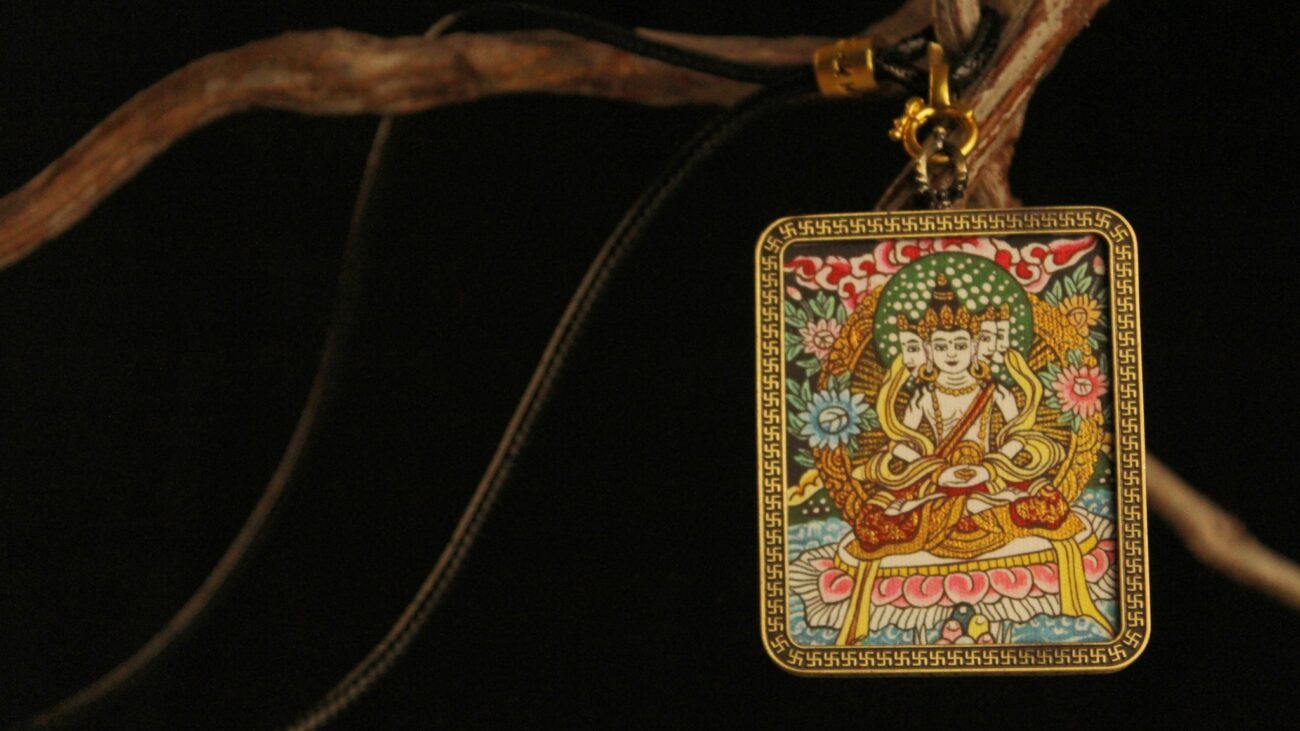
2.1 Constant Stimulation and Mental Noise
We live in a constant state of stimulation. Screens, information, expectations, and pressure follow us everywhere. Our nervous system rarely receives a clear signal that it is safe to slow down.
2.2 Disconnection from Inner Needs
As a result, mental noise becomes the background of daily life. Over time, this disconnects us from our inner state and emotional needs.
2.3 The Gradual Loss of Inner Peace
Inner peace does not disappear suddenly. It slowly fades when moments of pause are removed from our lives.
3. Inner Peace Is Not Escape, but Awareness
3.1 Common Misunderstandings About Inner Peace
Many people believe inner peace means escaping reality — quitting a job, traveling far away, or avoiding responsibility. In truth, inner peace has little to do with changing external circumstances.
3.2 Awareness as the Foundation of Calm
Inner peace comes from awareness.
It is the ability to notice your breath, your emotions, and your thoughts without judgment.
3.3 Presence in Everyday Life
Even in the middle of a busy day, awareness creates space between you and stress.
Calm is not about avoiding life. It is about meeting life with presence.
4. The Role of Small Daily Rituals
4.1 Why Rituals Calm the Nervous System
Rituals create a sense of safety for the mind. They tell the nervous system, “You are allowed to slow down now.”
4.2 Simple Rituals That Fit Real Life
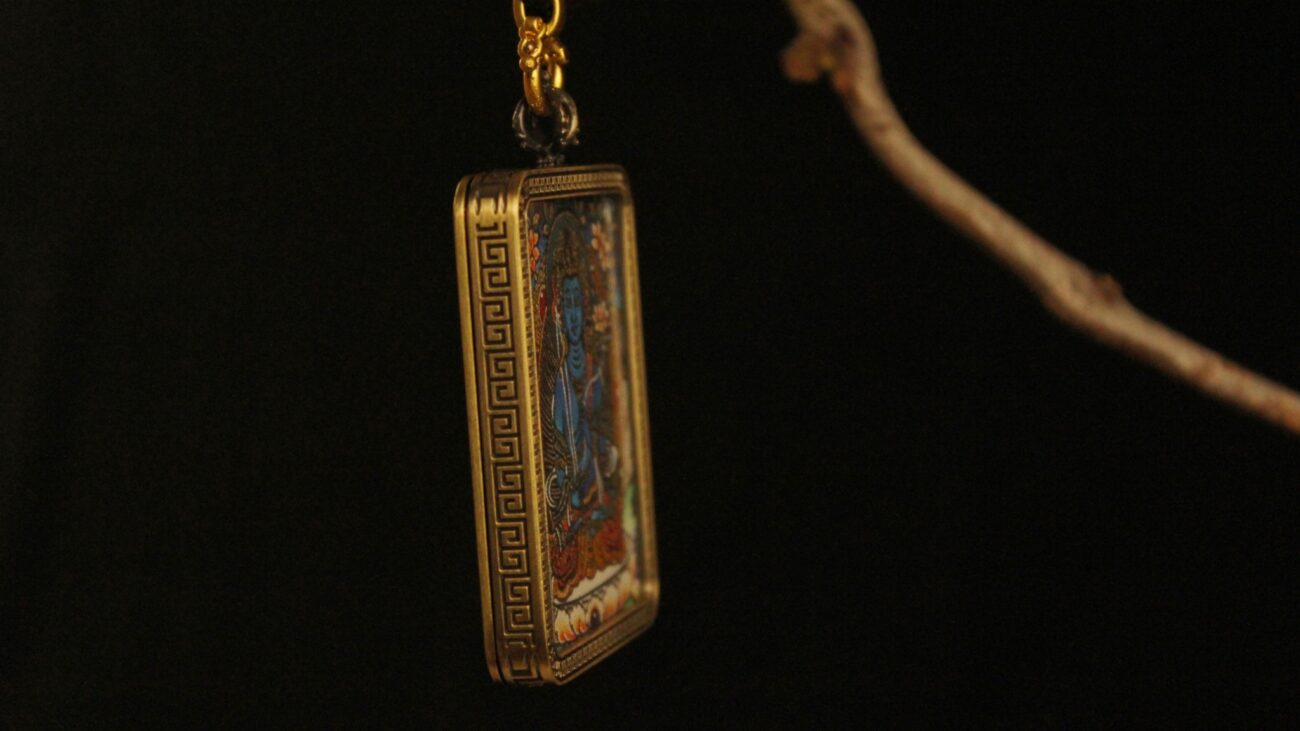
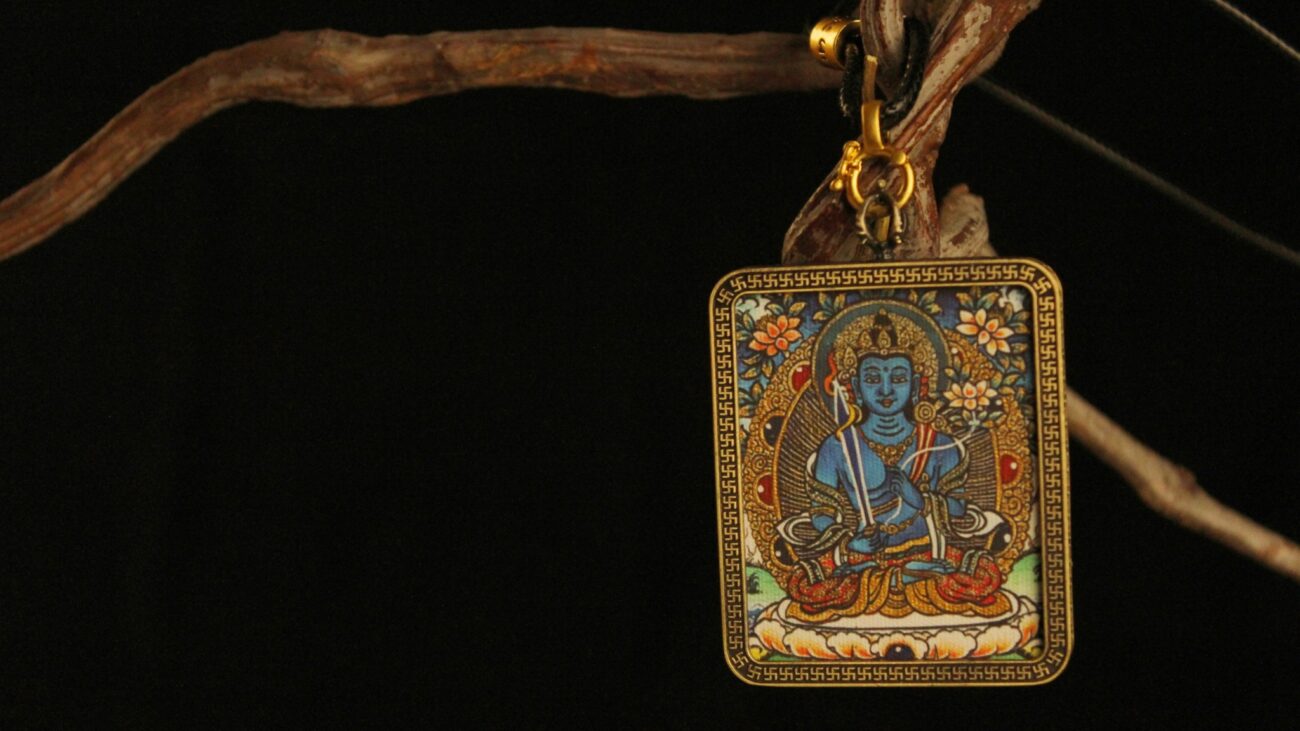
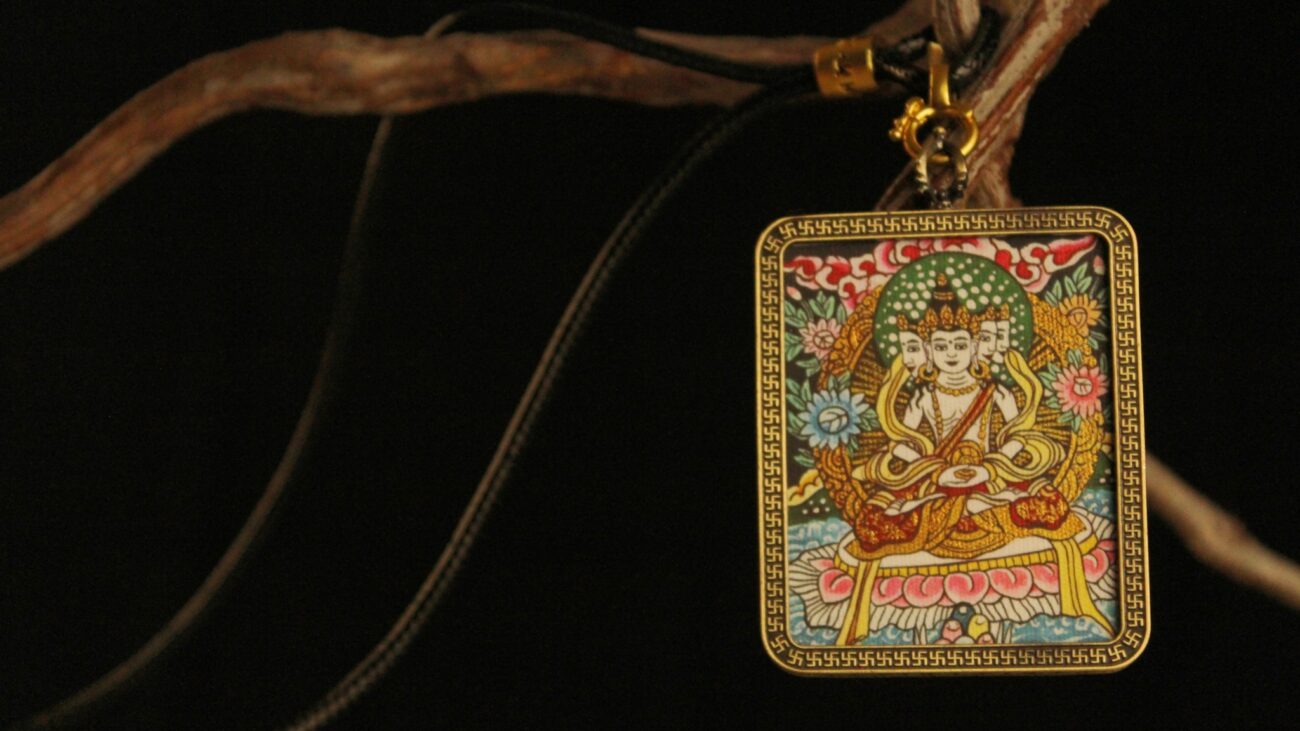
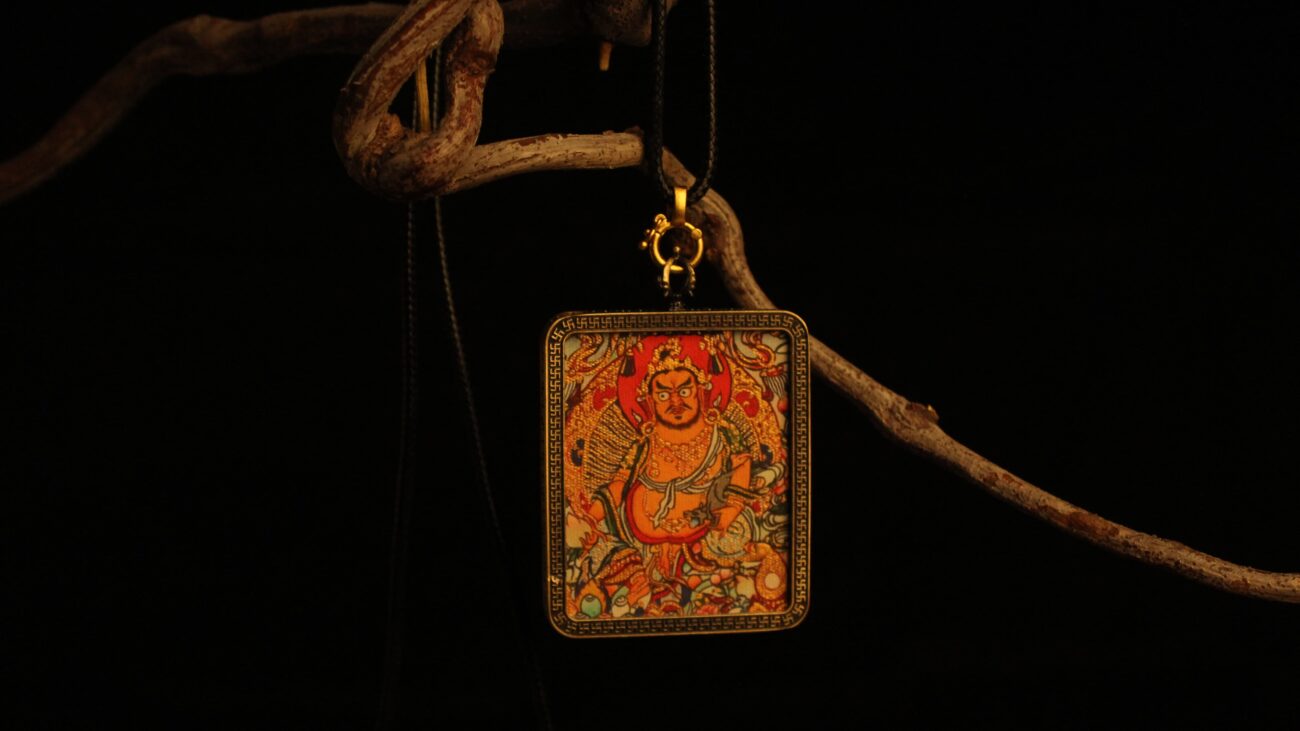
A ritual does not need to be complex or time-consuming. It can be as simple as lighting incense in the morning, wearing a necklace with personal meaning, or sitting quietly with an artwork that brings focus.
4.3 Long-Term Emotional Stability
These small moments anchor us back to ourselves. Over time, they form emotional stability and consistency.
5. How Meaningful Objects Support Emotional Calm
5.1 Meaning Over Material
Objects themselves do not create peace — meaning does.
5.2 Objects as Gentle Reminders
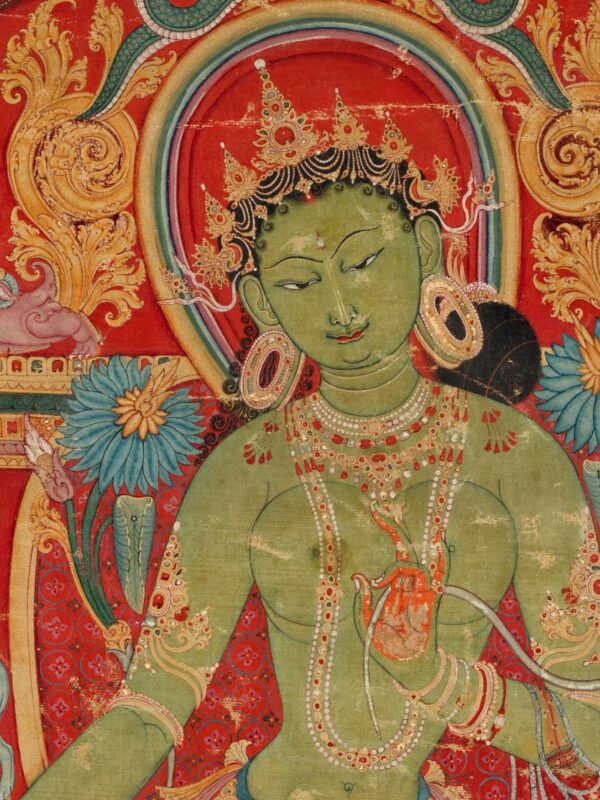
A crystal necklace, a piece of spiritual art, or a stick of incense becomes powerful when it carries intention. These objects serve as gentle reminders to pause, breathe, and reconnect.
5.3 The Psychology Behind Symbolism
This is not superstition. It is psychology.
Symbols help the mind shift states. When we associate an object with calm, intention, or grounding, our nervous system responds accordingly.
6. Creating Inner Peace in Everyday Life
6.1 Consistency Matters More Than Perfection
Inner peace grows through consistency, not perfection.
6.2 Starting Small
You do not need an elaborate routine. Start with one small habit — a three-minute morning ritual, a calm corner in your home, or a daily object that reminds you to slow down.
6.3 Building a Stable Inner Space
Over time, these simple practices create a stable inner space — even when life remains busy and unpredictable.
7. Conclusion
7.1 Inner Peace Is Accessible
Finding inner peace does not require changing your entire life. It begins with awareness, intention, and a few meaningful moments each day.
7.2 Allowing Calm
Calm is not something you chase.
It is something you allow.