
Creating a Calm Space at Home for Emotional Healing
1. Why a Calm Space at Home Matters
1.1 Emotional Healing Begins with Environment
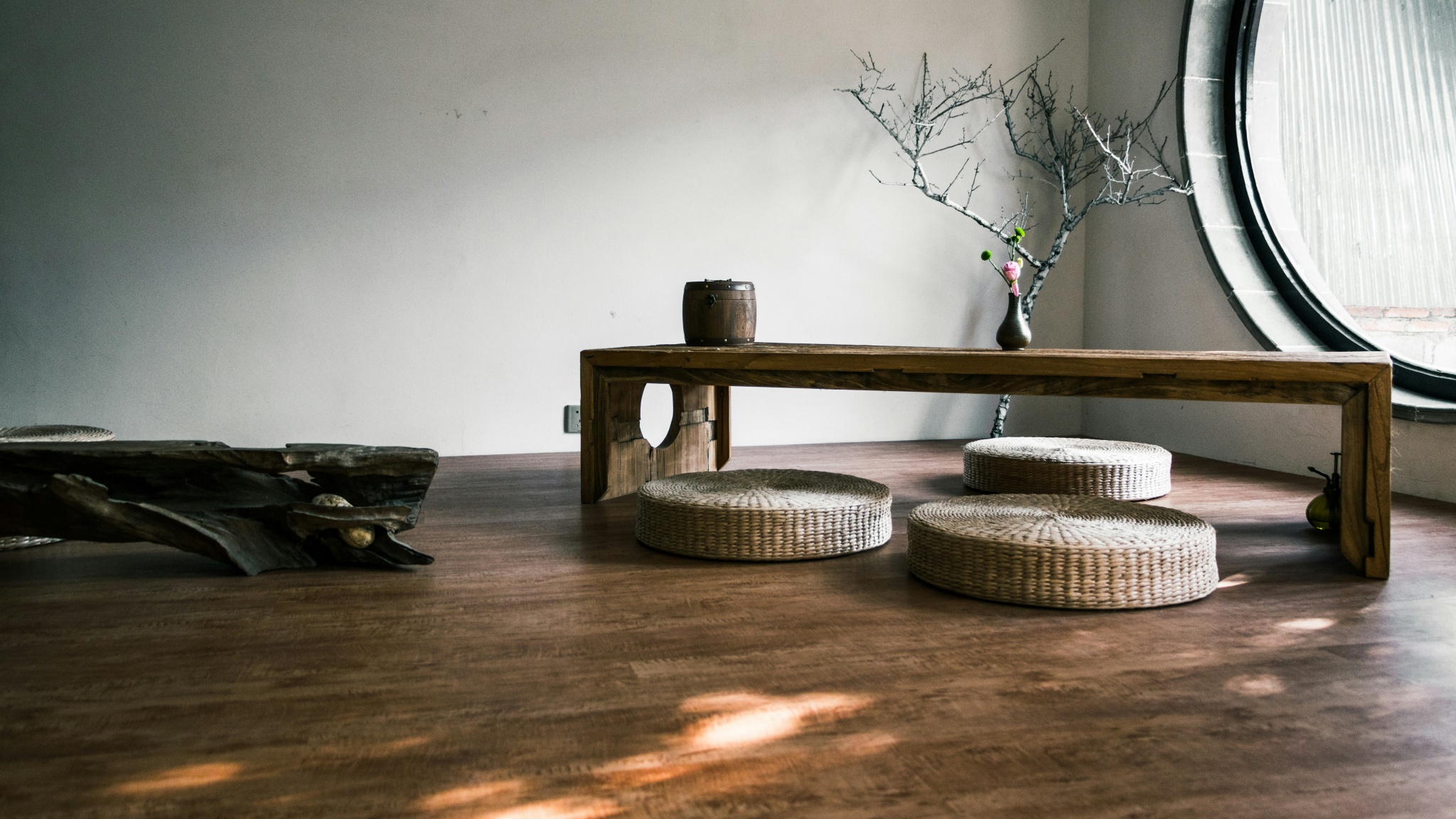
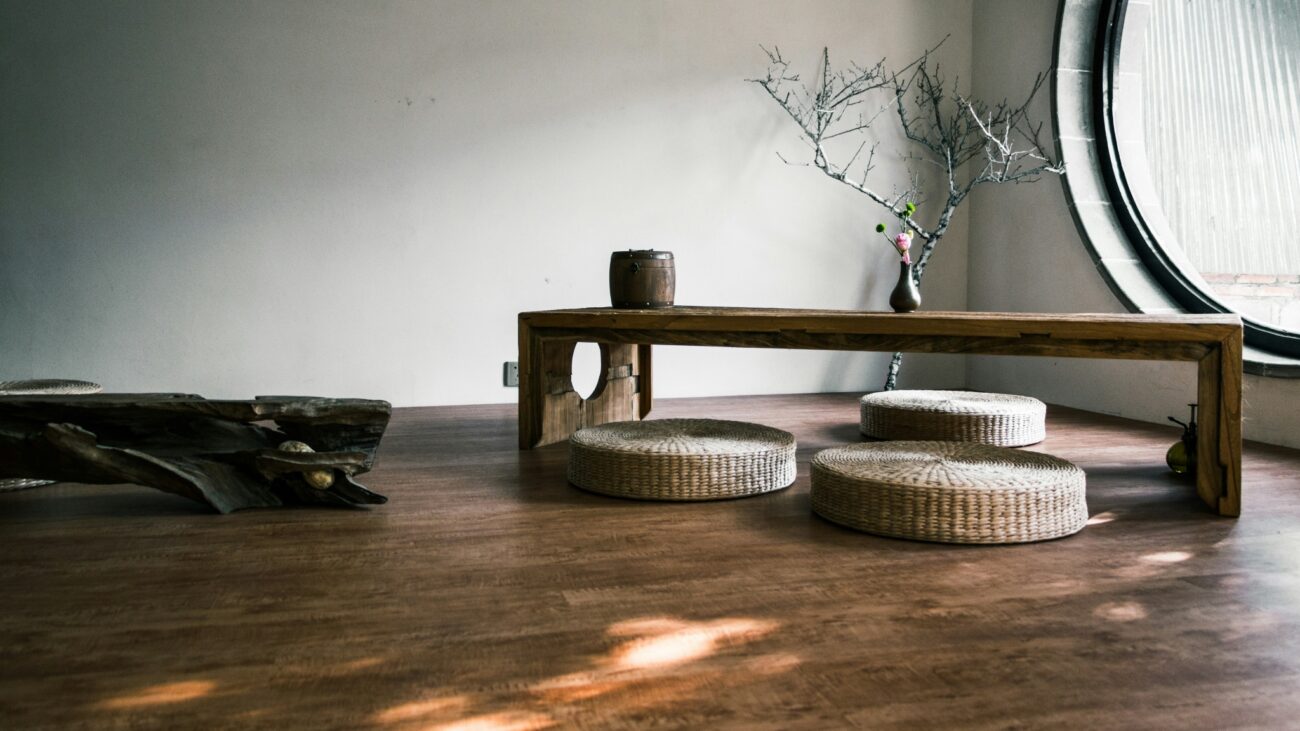
A calm space at home offers more than visual comfort—it supports emotional regulation and reflection. When surroundings are intentional and uncluttered, the mind finds it easier to slow down, creating an emotional healing space rooted in safety and familiarity.
1.2 The Idea of a Mindful Home
A mindful home is shaped by choices: light, materials, and objects that invite presence. Calm is not added through excess, but through restraint—spaces that allow silence, pause, and attention to breathe.
2. Cultural Symbols and Visual Calm

2.1 Symbolism as Emotional Language
Across Asian mythology and symbolism, animals and forms are used to express inner states. Deer symbolism, for example, is often associated with gentleness, awareness, and renewal, while crane symbolism represents longevity and serenity. These associations quietly support emotional balance without explanation.
2.2 Art as a Stabilizing Presence
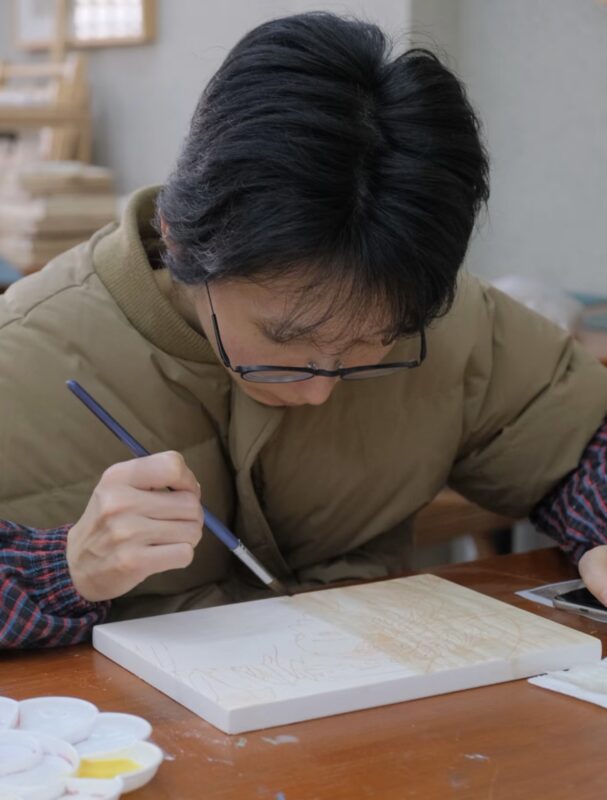
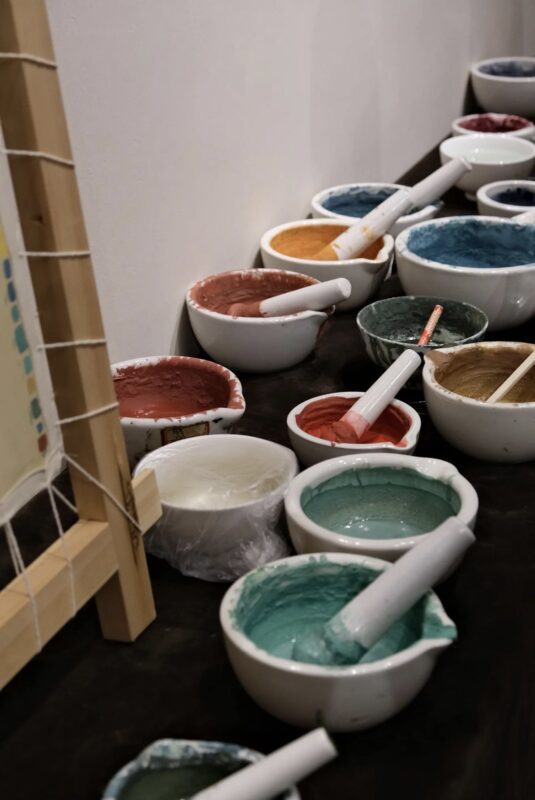
Traditional artworks such as Tibetan artwork and Buddhist painting, including thangka painting, are historically created to encourage contemplation. Their balanced compositions and symbolic clarity make them natural anchors within a calm domestic environment.
3. Designing a Calm Space with Intention
3.1 Art, Scent, and Simplicity
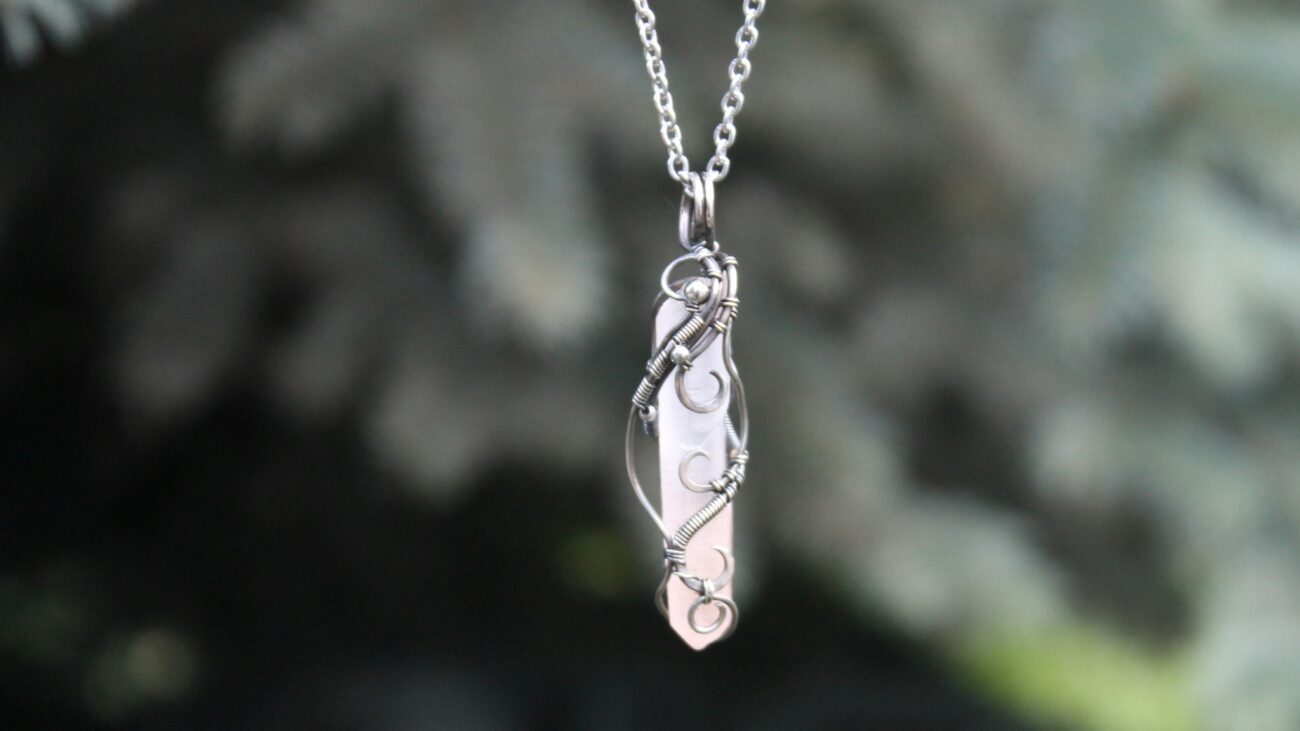
A calm space does not require many elements. A single artwork, natural scent, or tactile object can shift atmosphere. What matters is intention—choosing pieces that feel grounded and meaningful.
3.2 Calm as a Daily Practice
Emotional healing is rarely dramatic. It grows quietly through daily interaction with a space designed for care, attention, and continuity.