
The air is thin, carrying the scent of juniper incense and melted yak butter from a thousand lamps. A low chant vibrates through the wooden floorboards of the temple, a sound that feels older than the mountains themselves. Before you hangs a canvas, a riot of color and stillness, a divine face gazing back with an expression of profound peace. You have encountered a piece of Dharma art, and you feel a pull, a deep-seated curiosity. This is not merely decoration. It is a portal. Many approach this sacred art with a hope to connect with something truly meaningful, a visual anchor for their spiritual life. Yet, there is a quiet fear of misunderstanding, of acquiring a soulless replica that misses the very essence of this tradition. This guide is a gift of lineage, intended to bridge that gap, to transform your gaze from that of a simple viewer to that of a learned participant in a timeless conversation about the nature of reality itself.
Insights You Will Gain:
- The historical and spiritual journey of Buddhist painting across Asia.
- The ability to decode the sacred iconography and symbolic language of the art.
- An appreciation for the meditative process and sacred materials behind authentic creation.
- Practical guidance on integrating this Dharma art into your own spiritual practice.
- The understanding of your role as a conscious steward of this living cultural heritage.
The Origin & Lineage: Tracing Sacred Brushstrokes Through Time
The story of Buddhist painting is inseparable from the dissemination of the Dharma itself. It is not a footnote to religious history; it is a primary vehicle through which the most subtle teachings were transmitted across formidable mountains and vast deserts. The tradition does not begin in a pristine artist’s studio but on the rugged, living rock of caves. In places like Ajanta and Ellora in India, masters of the 2nd century BCE to the 5th century CE painted directly onto stone walls, creating breathtaking frescoes of Jataka tales—the past lives of the Buddha. These were not mere illustrations; they were public teachings, visual scriptures for a populace that was largely pre-literate. The scale was monumental, designed to immerse the pilgrim in a cosmological vision. The materials were of the earth: ochre, lampblack, and gypsum, binding the teachings to the very land where the Buddha walked. This was the genesis, an art form born of devotion and the didactic impulse to share the path to liberation.
From Ajanta’s Caves to Tibetan Thangkas: The Journey of an Art Form
As the Dharma traveled north along the Silk Road and into the high plateaus of Tibet, the medium had to evolve. The nomadic culture of the Himalayas required a portable form of sacred art. Thus, the thangka was born—a painting on cotton or silk, typically depicting a Buddhist deity, scene, or mandala, which could be rolled up for transport between monasteries or encampments. This shift from static fresco to portable scroll was a profound innovation, allowing the temple to be carried on one’s back. The lineage of this art form, its techniques and iconographic standards, was meticulously preserved and passed from master to apprentice. The compositions became more complex and codified, serving as precise instruments for visualization meditation, a hallmark of the Vajrayana path that flourished in Tibet. The journey from Ajanta’s rock walls to the Tibetan thangka is a testament to the Dharma’s incredible adaptability, changing its material form while preserving its immaculate spiritual essence.
The Unbroken Chain: Understanding Guruparampara and Artistic Lineage
In the West, we often value the lone artistic genius, the innovator who breaks from tradition. In the world of Dharma art, the opposite is true. The highest value is placed on fidelity to the Guruparampara, the unbroken lineage of teachers. An artist is not an inventor but a conduit. They receive the ‘transmission’ of not only technical skills—how to mix pigments, the precise grid measurements (iconometry) for a deity’s form—but also the spiritual empowerment to create the image. This sacred commitment, or samaya, ensures that the art remains a potent tool for enlightenment rather than devolving into personal expression. To know the lineage of a thangka painter is to know the authenticity of their work. It connects the painting back through a chain of masters to the original visions and teachings. Distinguishing between the major Buddhist traditions is also key: Theravada art, found predominantly in Southeast Asia, is often more austere, focusing on the historical Buddha, Shakyamuni. Mahayana art, prevalent in East Asia, introduces a vast pantheon of Bodhisattvas, reflecting the ideal of universal compassion. Vajrayana art, of Tibet and the Himalayan region, is the most iconographically complex, filled with dynamic, energetic deities that represent the transmutation of all human experience, including wrath and passion, into enlightened wisdom.
Reading the Sacred Canvas: A Deep Dive into Buddhist Iconography
To view a Buddhist painting without understanding its iconography is akin to listening to a symphony as mere noise. Every element is part of a precise and profound language designed to communicate the teachings of the Dharma directly to the practitioner’s consciousness. This visual lexicon is not arbitrary; it is the culmination of centuries of meditative insight, a map of inner landscapes. The figures are not gods to be worshipped from afar but archetypes of our own enlightened potential. Manjushri, with his sword of wisdom, represents the incisive intelligence that cuts through delusion. Green Tara, with one leg extended, symbolizes compassionate action, ever-ready to spring forth and aid sentient beings. These are not just stories; they are psychological and spiritual realities rendered in form and color. Learning to read this language transforms the painting from a beautiful object into a field of living energy, a constant source of inspiration and instruction on the path. It empowers the seeker to engage with the art actively, to receive the transmission it holds, and to recognize the divine qualities depicted as seeds within their own mindstream.
The Divine Language: Decoding Mudras, Asanas, and Deities
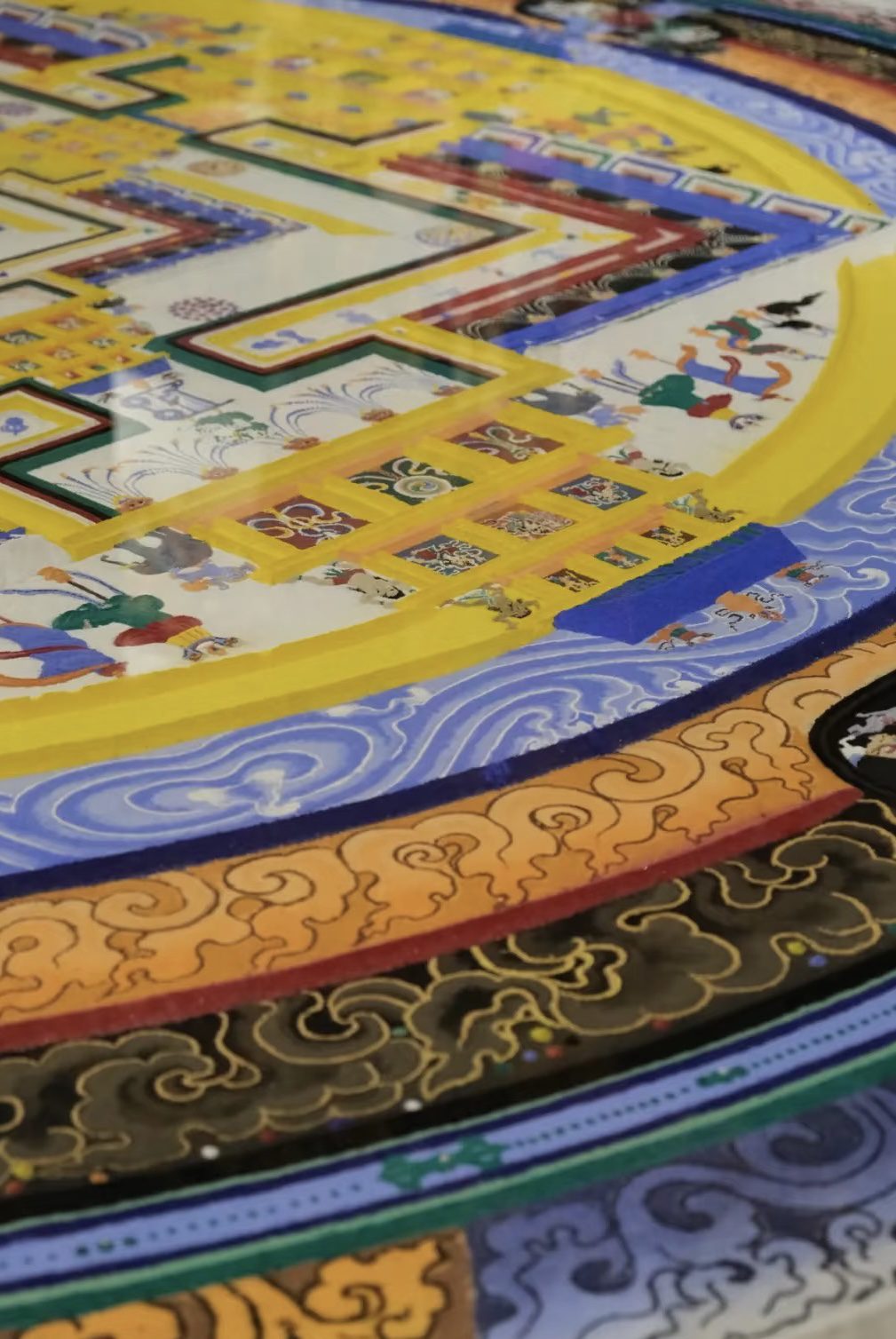
The gestures (mudras) and postures (asanas) of the figures are of primary importance. The Bhumisparsha Mudra, or ‘Earth-Touching Gesture,’ where the Buddha’s right hand reaches down to touch the ground, is not a simple pose. It is the iconographic representation of the moment of his enlightenment, when he called upon the Earth itself to witness his victory over the illusions of Mara. It signifies unshakable resolve. The Dhyana Mudra, with hands resting in the lap, symbolizes meditative concentration. Similarly, the specific deities represent different facets of the enlightened mind. Protector deities, often depicted in wrathful forms, are not demons. They represent the fierce, protective energy of compassion that annihilates the internal and external obstacles to spiritual awakening. Their fiery appearances symbolize the burning away of ignorance and negativity. The Mandala, a common form in Vajrayana art, is a celestial palace, a blueprint of a purified cosmos with a central deity. Meditating upon it is a journey from the periphery of confusion to the enlightened center of one’s being. It is a psycho-cosmogram, a complete map for the path to realization.
| Symbol/Element | Sacred Meaning | Spiritual Purpose |
|---|---|---|
| Lapis Blue | Healing, Purity, The Buddha’s Hair, The Deep Space of Wisdom (Akshobhya) | To invoke healing energy and the indestructible, mirror-like wisdom that pacifies anger. |
| Cinnabar Red | Life Force, Sacred Fire, Passion Transformed into Discernment (Amitabha) | To magnetize positive conditions and transform craving and attachment into discriminating awareness. |
| Gold | Enlightenment, Purity, The Unchanging Nature of Dharma, The Buddha’s Skin | To symbolize the luminous, incorruptible qualities of the awakened mind and the preciousness of the teachings. |
| Lotus Flower | Purity Arising from Muck, Renunciation, Divine Birth | To represent the mind’s ability to achieve enlightenment amidst the suffering and confusion of worldly existence (samsara). |
| Vajra (Dorje) | Indestructibility, Skillful Means, The Masculine Principle of Compassion | To symbolize the immutable and potent power of the enlightened path that can cut through any delusion. |
| Dharma Wheel | The Buddha’s Teachings (The Eightfold Path), The Turning of the Wheel of Law | To represent the continuous propagation of the Dharma, which leads all beings from suffering to liberation. |
The Alchemy of Creation: Where Matter Meets Mindfulness
The creation of an authentic Buddhist painting is an act of alchemy, a process where raw, earthly matter is transformed into a vessel of spiritual presence. This is not merely about technical skill; it is a profound spiritual practice undertaken by the artist. The entire endeavor is steeped in ritual and intention, from the preparation of the canvas to the final, sacred brushstroke. This understanding is crucial for the collector or practitioner, as it reveals why an authentic piece possesses a tangible ‘charge’ or spiritual vibrancy that a mass-produced print can never replicate. The materials themselves are considered sacred. The canvas, or ‘field,’ is meticulously prepared with a mixture of gesso and chalk, polished until it is as smooth as a mirror. This isn’t just for a better painting surface; it is creating a pure, worthy ground for the divine form to manifest upon. The process mirrors the practitioner’s own need to prepare their mindstream—purifying negative karma and cultivating virtue—before they can realize the ‘deity’ within. The artist is not just a painter; they are a yogi, a meditator who must enter a state of deep concentration (samadhi) to create.
Ground from the Earth: The Sacred Science of Mineral Pigments
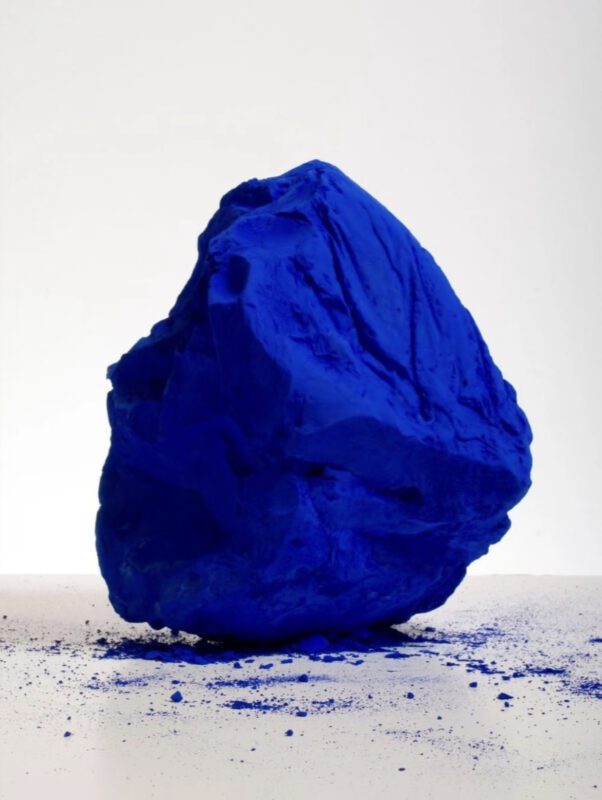
The colors used in traditional thangka painting are not inert chemicals from a tube. They are ‘kyung,’ or mineral pigments, painstakingly ground by hand from precious and semi-precious stones. Lapis Lazuli yields a deep, celestial blue; Malachite a vibrant, compassionate green; Cinnabar a fiery, energetic red; Orpiment a sun-like yellow. These are not chosen for aesthetics alone. Each mineral is believed to possess its own energetic properties and spiritual significance. Grinding Lapis Lazuli is a meditation on the healing energy of Medicine Buddha. Mixing Cinnabar is an invocation of the life-force and magnetizing power of enlightened beings. The gold, applied as powder mixed with hide glue or as leaf, represents the incorruptible, luminous nature of the enlightened mind itself. The laborious process of preparing these pigments—grinding for hours or days, washing, and purifying—is an integral part of the spiritual practice. It instills patience and mindfulness in the artist and infuses the very substance of the painting with the energy of the earth’s most potent elements. This material integrity is a hallmark of authenticity and a key reason why these paintings can endure for centuries, their colors remaining vibrant and spiritually resonant.
The Artist as Yogi: Mantra and the ‘Opening of the Eyes’
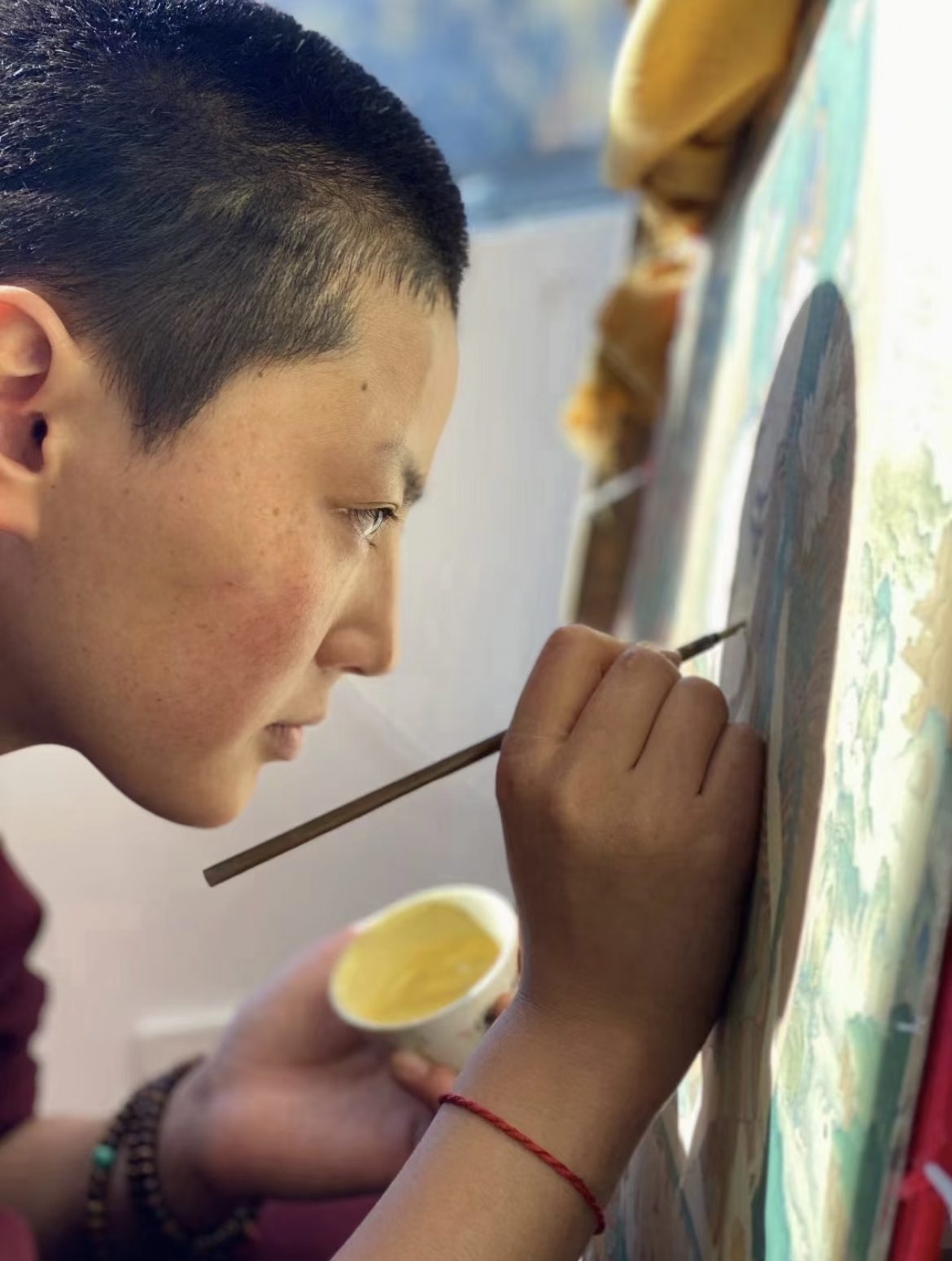
Before the first line is drawn, the artist engages in prayers and rituals to purify themselves and the space. Throughout the painting process, which can take months or even years, the artist recites the mantra associated with the deity being depicted. This constant recitation is not a passive background activity; it is an active invocation that infuses the artist’s breath, mind, and brushstrokes with the deity’s spiritual energy. The artist visualizes themselves as the deity, striving to embody the enlightened qualities they are painting. The final and most crucial stage is the ‘opening of the eyes’ ceremony, known in Sanskrit as prana pratishta. A high lama or the artist-yogi themselves, in a state of deep meditation, paints the eyes of the central figure. At this moment, the painting ceases to be a mere object. It is consecrated, its spiritual life is ‘activated,’ and it becomes a true receptacle for the enlightened consciousness it represents. It is now considered a living presence, a sacred object of refuge. This is why one never treats a thangka as a simple wall hanging; it is regarded with the same reverence one would show a living teacher.
Integrating the Sacred: Activating Your Buddhist Painting for Spiritual Practice
Acquiring a piece of authentic Dharma art is not the end of a journey; it is the beginning of a relationship. The painting is not a static object to be passively admired but a dynamic tool for spiritual transformation. Its purpose is fulfilled when it is actively used as a support for your practice, a daily reminder of your highest aspirations. To integrate such a piece into your life is to create a bridge between the mundane world and the sacred dimension it represents. This requires a shift in perception, viewing the painting not as a possession but as a guest of honor in your home, a constant source of blessing and guidance. The first step is creating a worthy space for it. This simple act of setting up a dedicated area transforms a part of your home into a sanctuary, a visual anchor that calls you back to your practice and your deepest intentions. The painting becomes more than art; it becomes the heart of a sacred environment that you cultivate, a place where the clamor of the world can fall away, leaving space for stillness and insight.
Creating a Sacred Space: Placement and Reverence
In the tradition, sacred images are always placed in a high, clean, and respected location. They should never be hung in a mundane area like a bathroom or placed on the floor. Ideally, a thangka or statue would be placed on a dedicated altar or shelf above eye level when you are seated in meditation. This physical act of elevation reflects the mental act of holding the teachings and the enlightened qualities they represent in the highest esteem. You can make simple offerings before the image, such as a small bowl of water, a flower, or a stick of incense. These offerings are not to ‘please’ a deity but are practices to cultivate generosity and mindfulness in oneself. The act of lighting incense and bowing slightly before you begin your practice is a powerful way to signal to your own mind that you are transitioning from ordinary activity to a sacred time of introspection. This reverence is not about superstition; it is a skillful means to cultivate humility, respect, and focus, essential qualities for any genuine spiritual path.

Gazing Meditation (Trataka) and Deity Yoga (Kyerim)
The painting is a perfect support for meditation. A simple yet profound practice is Trataka, or fixed-gazing meditation. You can sit comfortably before the image and let your gaze rest gently on the face of the central figure or a specific detail. The aim is not to analyze but simply to observe without judgment. When the mind wanders, as it inevitably will, gently guide your attention back to the image. The painting’s incredible detail and serene presence act as an anchor, helping to steady the ‘monkey mind.’ For those engaged in Vajrayana practices, the painting is an indispensable guide for Kyerim, or the ‘generation stage’ of deity yoga. This is a powerful visualization practice where one imagines oneself as the deity, embodying their form, qualities, and enlightened environment. The thangka serves as the detailed blueprint for this visualization. By repeatedly identifying with the enlightened archetype—be it the compassion of Chenrezig or the wisdom of Manjushri—the practitioner gradually awakens those same qualities within their own being. The painting is the bridge, the visual link that makes this profound psychological and spiritual transformation possible. It becomes a daily reminder of who you truly are beyond your conditioned self: a being of boundless compassion and wisdom.
Guardians of the Flame: Cultural Preservation in the 21st Century
In our modern era of digital reproduction and global commerce, sacred traditions face a unique and insidious threat: the dilution of meaning. A living tradition, vibrant and potent, is at risk of being reduced to a museum artifact or, worse, a decorative commodity. Buddhist painting is not meant to be a static object behind glass; it is a living, breathing part of a spiritual path, a tool for awakening. The proliferation of mass-produced, digitally printed replicas presents a profound challenge. While they may mimic the form, they are devoid of the essential ingredients: the spiritual intention, the sacred materials, the meditative process, and the unbroken lineage. A print lacks the ‘prana,’ the life-force, that is painstakingly infused into a genuine, hand-painted piece. Choosing an authentic work is therefore not just a matter of aesthetic preference; it is a conscious act of cultural preservation. It is a declaration that you value the soul of the art, not just its surface appearance. It is a stand against the commodification of the sacred.
The Peril of the Soulless Replica: Identifying Authenticity
How does a discerning seeker identify authenticity? First, consider the materials. A genuine thangka will be painted on treated cotton or silk canvas, and its colors will have the unique, deep luminosity that comes only from hand-ground mineral pigments and 24k gold. A print will have a flat, uniform surface, often with the tell-tale dot matrix pattern of a printer visible under magnification. Second, examine the detail. The fine lines, especially on the face and hands, should be executed with exquisite precision, a testament to years of training. The gold work will be raised and dimensional, not flat. Third, and most importantly, inquire about the artist and their lineage. A reputable source will be able to tell you who the artist is, where they trained, and in which tradition they work. An authentic artist is not an anonymous factory worker; they are a known practitioner carrying on a sacred trust. This knowledge connects you, the patron, to that lineage. It ensures that your resources are supporting true artisans and their communities, helping them to maintain their culture and practice in the face of immense economic pressures.
Your Role as a Steward: How Conscious Patronage Protects a Priceless Heritage
When you choose to acquire an authentic piece of Dharma art, you cease to be a mere consumer. You become a patron, a steward, and a participant in the preservation of a priceless world heritage. Your investment is not just in an object of beauty, but in the continuation of the entire ecosystem that supports its creation: the master artists, their apprentices, the monastic institutions, and the communities that have safeguarded these traditions for centuries. This act of conscious patronage is a powerful form of support that flows directly to the source. It allows a master to spend six months on a single painting without compromise. It funds the training of the next generation of artists. It sends a message to the world that these traditions are valued, not as quaint relics of the past, but as vital sources of wisdom for the future. In this way, the painting in your home becomes more than a personal aid for meditation; it becomes a symbol of your connection to this noble lineage and your active role as a guardian of its flame, ensuring that its light continues to illuminate the path for generations to come.
The Wisdom FAQ
- Is it disrespectful for a non-Buddhist to own a sacred painting?Not at all. The key is reverence. If you approach the artwork with respect for its origin and purpose—as a representation of enlightened qualities like compassion and wisdom—it is considered a meritorious act. The Dharma is universal. The intention is to inspire all beings, regardless of their declared faith. Treating the piece with the respect outlined in this guide ensures you are honoring its tradition.
- What is the ‘samaya’ between an artwork and its owner?In the Vajrayana context, samaya is a sacred commitment or bond. While typically between a student and their guru, a subtle samaya exists with consecrated art. It implies a commitment to see the image not as mere paint and canvas, but as a genuine embodiment of the enlightened mind. The commitment is to use it as a support for practice and to protect it from disrespect, thus maintaining its sacred integrity and power.
- Why are some deities depicted as wrathful? Is this ‘Buddhist’?Wrathful deities are one of the most misunderstood aspects of Vajrayana iconography. They are not demons or evil spirits. They are embodiments of the fierce, energetic, and powerful aspect of compassion. Their wrath is directed not at beings, but at the ultimate enemy: ignorance itself. Their fiery appearance represents the intense energy needed to cut through deep-seated delusion, attachment, and hatred, transforming these poisons into wisdom.
- How does a thangka painting ‘age’ differently from Western art?A thangka is a living object. While a Western oil painting might crack or fade, a thangka made with mineral pigments and stored correctly can retain its color vibrancy for centuries. More profoundly, it is believed to accrue spiritual power over time. As it is used in practice, receives blessings, and is exposed to chanting and ceremonies, its spiritual presence deepens. It becomes more, not less, potent with age.
- What does the ‘opening of the eyes’ ceremony truly signify?This ceremony, or prana pratishta, is the ritual that invites the enlightened consciousness to reside within the physical form of the art. The painting of the eyes is the final, symbolic act. It signifies the transformation of the piece from an inanimate, skillfully made object into an animate, sacred vessel—a ‘living’ support for realization. It is now considered to have the ‘gaze of wisdom’ and is no longer just a representation, but a true presence.
The Guardian’s Reflection
A brushstroke of gold, capturing the light. A pigment of lapis, holding the sky. This is not paint on cloth. It is a quiet thunder, a silent sermon on the nature of mind. To hold such a piece in your hands is to hold a link in an ancient chain, a lineage of wisdom passed from heart to heart in the thin, clear air of the Himalayas. Each line is a prayer; each color, a vow. In bringing this sacred art into your life, you do more than decorate a wall. You become a keeper of the flame, a guardian of a tradition that speaks of a peace that lies beyond all our noise. You become a steward of silence, and in that silence, the soul of this art begins to speak.