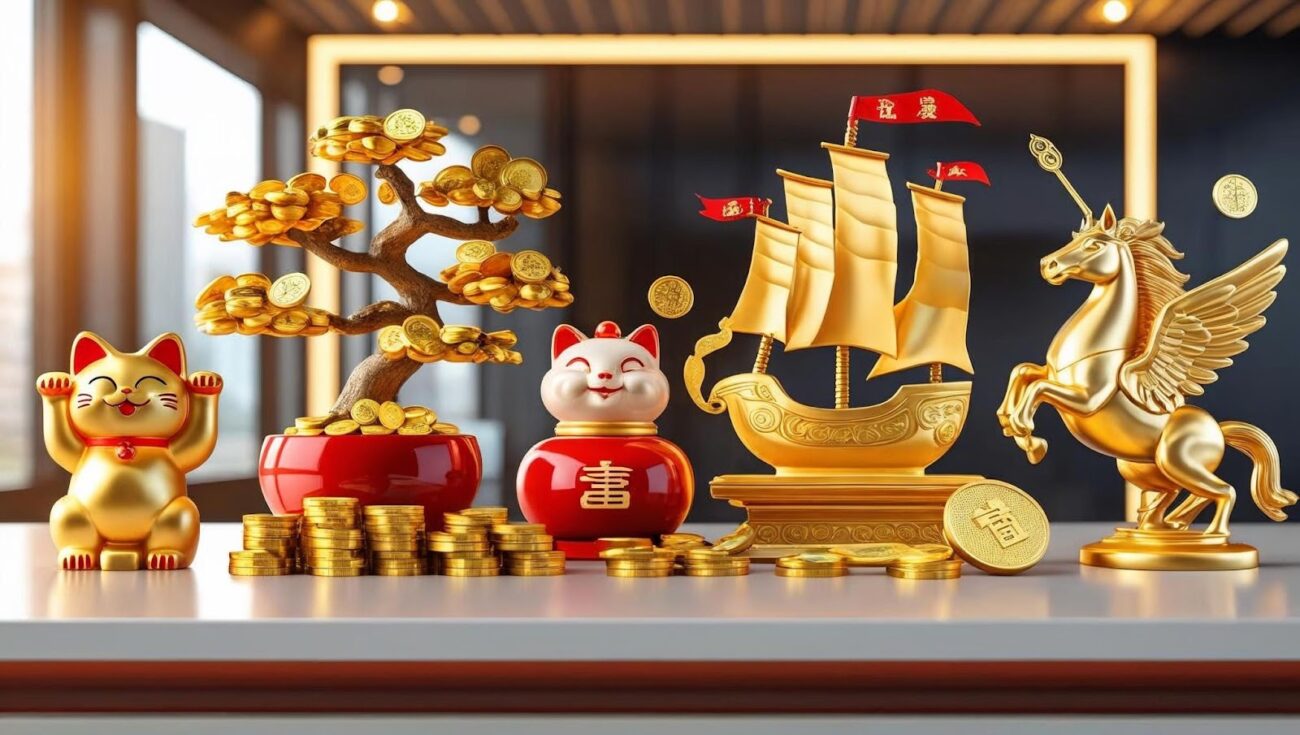

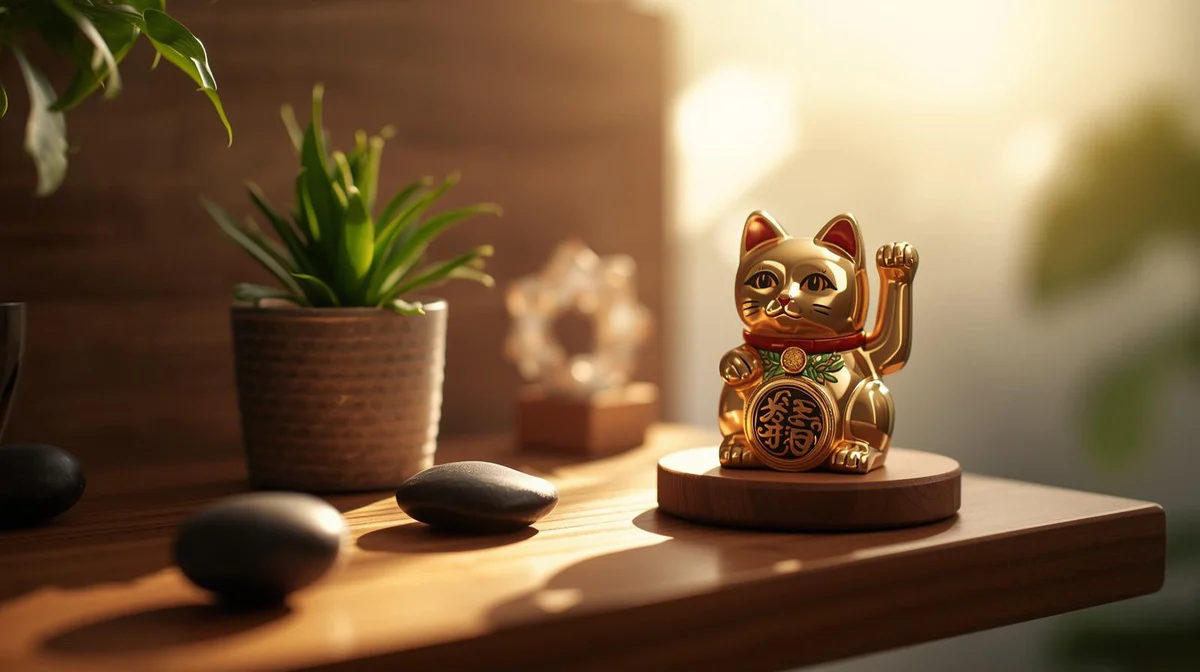
Every person carries personal aspirations—stronger prosperity, a flourishing business, steady opportunities, smooth career advancement, or a home filled with stability and harmonious blessings. Among auspicious charms, the Lucky Cat (Maneki Neko) stands as one of the most recognizable and well-loved symbols believed to support prosperity, customer flow, and favorable outcomes.
With its raised paw, refined posture, and dignified presence, the Lucky Cat continues to grace entrances, businesses, workspaces, and homes around the world. This complete guide presents its meanings, effects, best placements, origins, symbolisms, and methods of choosing and caring for it—allowing you to display this classic charm with confidence and respect.
What the Lucky Cat Is Traditionally Known For

Across cultures and generations, the Lucky Cat is greatly valued for its well-established associations. These timeless meanings contribute to why it remains one of the most widely used auspicious charms today.
Prosperity & Financial Stability
The Lucky Cat is traditionally connected with wealth luck, improved financial prospects, and long-term abundance. Businesses often place it near the entrance or counter to support smoother revenue flow.
Customer Attraction & Favorable Interactions
One of its most iconic functions is symbolizing the welcoming of customers, visitors, and opportunities—making it a classic charm for retail shops, salons, cafés, and service-based establishments.
Career Advancement & Progress
Professionals place it on work desks or office shelves as a complement to their goals for recognition, growth, and career stability.
Arrival of Beneficial Circumstances
Its beckoning gesture represents the welcoming of auspicious moments, smoother outcomes, and promising opportunities.
Household Harmony & Uplifted Home Luck
Families display the Lucky Cat for a prosperous and well-balanced living environment.
These enduring associations have cemented the Lucky Cat’s status as a highly respected charm cherished across many cultures.
Placement Guide for the Lucky Cat
Correct placement allows the Lucky Cat to stand with dignity and purpose. Below is a comprehensive placement guide based on traditional practice and modern-day interpretations.
Ideal Locations
Main Entrance or Foyer
A classical placement believed to symbolically greet incoming good luck and positive prospects.
Cashier Counter or Reception Desk
A favorite among businesses seeking customer flow, steady transactions, and prosperity-oriented momentum.
Office Desk or Workspace
Supports clarity of goals, personal progress, and opportunities in one’s career path.
Living Room or Common Area
A balanced location for families who want general prosperity and smooth household progress.
Classic Wealth Corner (Far left-back area from the main door)
For those who follow traditional Feng Shui layout practices.
Placement Etiquette
Keep the Lucky Cat on an elevated, stable surface.
Ensure the surrounding area is clean and free from clutter.
Avoid bathrooms, laundry areas, or chaotic corners.
Maintain clear visibility—do not hide it behind objects.
Treat it as a respected charm and part of your household or business décor.
Symbolism, Cultural Meaning & Origins of the Lucky Cat
The Lucky Cat originates from Japan, where it is known as the Maneki Neko, meaning “beckoning cat.” The gesture, familiar in Japanese culture, resembles an inviting motion used to call someone closer, which later evolved into a symbolic representation of attracting prosperity and auspicious fortune.
Meaning of Paw Positions
Left Paw Raised: Linked with drawing in customers and social interactions.
Right Paw Raised: Traditionally associated with financial luck and prosperous outcomes.
Both Paws Raised: Seen as a gesture of broader fortune and safeguarding.
Color Symbolism
Gold – Wealth, success, financial growth
White – General good luck and blessings
Black – Protection and warding off misfortune
Red – Success, vitality, and happiness
Green – Education, knowledge, and career pursuits
A Classic Origin Legend
One of the most cherished legends surrounding the Lucky Cat begins in a modest temple located on the outskirts of Edo, during a time when resources were scarce and the temple’s future was uncertain. The priest who lived there led a humble life, caring for the temple grounds with dedication despite the lack of support. His only companion was a small cat that he had rescued during a storm. Grateful for the priest’s kindness, the cat stayed by his side and roamed freely around the temple.
One afternoon, as a powerful storm approached, a weary samurai sought shelter beneath a nearby tree. While waiting for the rain to ease, he noticed the priest’s cat sitting calmly at the temple entrance. The cat slowly lifted its paw and made a clear beckoning gesture, almost as though inviting the samurai to step inside. Intrigued by the unusual sight, the samurai moved toward the temple to investigate.
Just moments after he left the tree, lightning struck the exact spot where he had been standing. Realizing that the cat’s gesture had saved his life, the samurai felt immense gratitude. He sought out the priest, offered his thanks, and soon became a devoted supporter of the temple. With his patronage, the once-struggling temple flourished—repairs were made, new visitors arrived, and the community surrounding it grew strong.
The cat, whose simple gesture changed the temple’s destiny, became a symbol of prosperity, fortune, and protection. Statues and carvings inspired by this tale spread across Japan, eventually evolving into the Lucky Cat charm known today. Its raised paw echoes the legendary moment when a humble cat extended goodwill and transformed a man’s fate.
How to Choose the Right Lucky Cat for You
Selecting a Lucky Cat is a meaningful process, and the version you choose should reflect your intentions, your environment, and your personal taste. Each variation carries its own classical symbolism, allowing you to match the charm to your goals with confidence.
1. Choose Based on Your Intention
Different styles traditionally correspond to different aspirations:
Right Paw Raised: Often associated with wealth, prosperity, and financial advancement.
Left Paw Raised: Traditionally connected to customer attraction, helpful for business owners and service establishments.
Both Paws Raised: Represents broader blessings and a desire for protection or all-around good fortune.
2. Consider the Color That Best Supports Your Goals
Each color holds its own classical meaning:
Gold: Ideal for prosperity, abundance, and revenue growth
White: Suitable for general luck, harmony, and overall well-being
Red: Chosen for success, vitality, and celebrations
Black: Traditionally linked with protection and safeguarding
Green: Appropriate for academic success, learning, or career advancement
Choose a color that naturally complements your intentions.
3. Match the Size to Your Space
Large Lucky Cats: Best for entrances, reception areas, or store counters
Medium Sizes: Perfect for living rooms, shelves, and office desks
Small Lucky Cats: Ideal for personal workspaces, compact shelves, or discreet displays
4. Select the Style That Resonates With You
Lucky Cats come in various designs—traditional, modern, classic gold, minimalist, and ornate. Choose one that visually complements your home or business and feels culturally respectful and aesthetically pleasing.
5. Choose One That Aligns With Your Purpose
Whether your intention is prosperity, customer flow, smoother progress, or general good fortune, select a Lucky Cat that truly aligns with what you wish to encourage. The charm should serve as a visual reminder of your goal and an elegant symbol of your aspirations.
Why the Lucky Cat Remains Popular Today
The Lucky Cat continues to hold global appeal because of its:
Brings good luck to the people
Strong association with prosperity and customer attraction
Versatility in both traditional and modern environments
Elegance of the charm that enhances the character of any space
Its presence is valued in homes, offices, corporate settings, and commercial establishments alike.

Who Commonly Chooses the Lucky Cat
The Lucky Cat is chosen by:
Entrepreneurs and new business owners
Retail stores, restaurants, salons, and service providers
Professionals such as doctors, lawyers, real estate agents, and consultants
Office workers and managers aiming for smoother progression
Families wishing to uplift their household luck
Students and young professionals preparing for major transitions
Collectors of cultural or lucky charm pieces
Gift-givers marking openings, promotions, or new beginnings
And most importantly:
Anyone seeking prosperity, stable progress, or promising opportunities often chooses the Lucky Cat, as it aligns naturally with these aspirations.
Setting Your Intention with the Lucky Cat
A great approach to intention-setting includes:
Reflecting on your aim—prosperity, customer growth, progress, or smoother life circumstances.
Placing it in a suitable spot..
Placing the Lucky Cat with a sense of respect for its symbolism and cultural heritage.
Keeping its area tidy and dignified.
This creates meaningful clarity and intention without requiring any elaborate procedure.
Care and Maintenance
To maintain the Lucky Cat respectfully:
Clean it regularly
Keep it positioned securely and upright
Clean according to its material
Ensure visibility by avoiding overcrowded displays
Inspect periodically if used in a business setting
A well-maintained charm reflects careful attention to tradition.
Pairing Your Lucky Cat
Money Frog — for attracting incoming wealth while the tree supports retention.
Dragon Turtle — adds career stability and authority to the steady prosperity of the tree.
Wu Lou — when health protection is also a priority, some Tanfog designs combine the Wu Lou directly with the tree.
When pairing, keep the arrangement tidy and do not overcrowd the spot.