

Introduction: Light from the Depths of the Earth
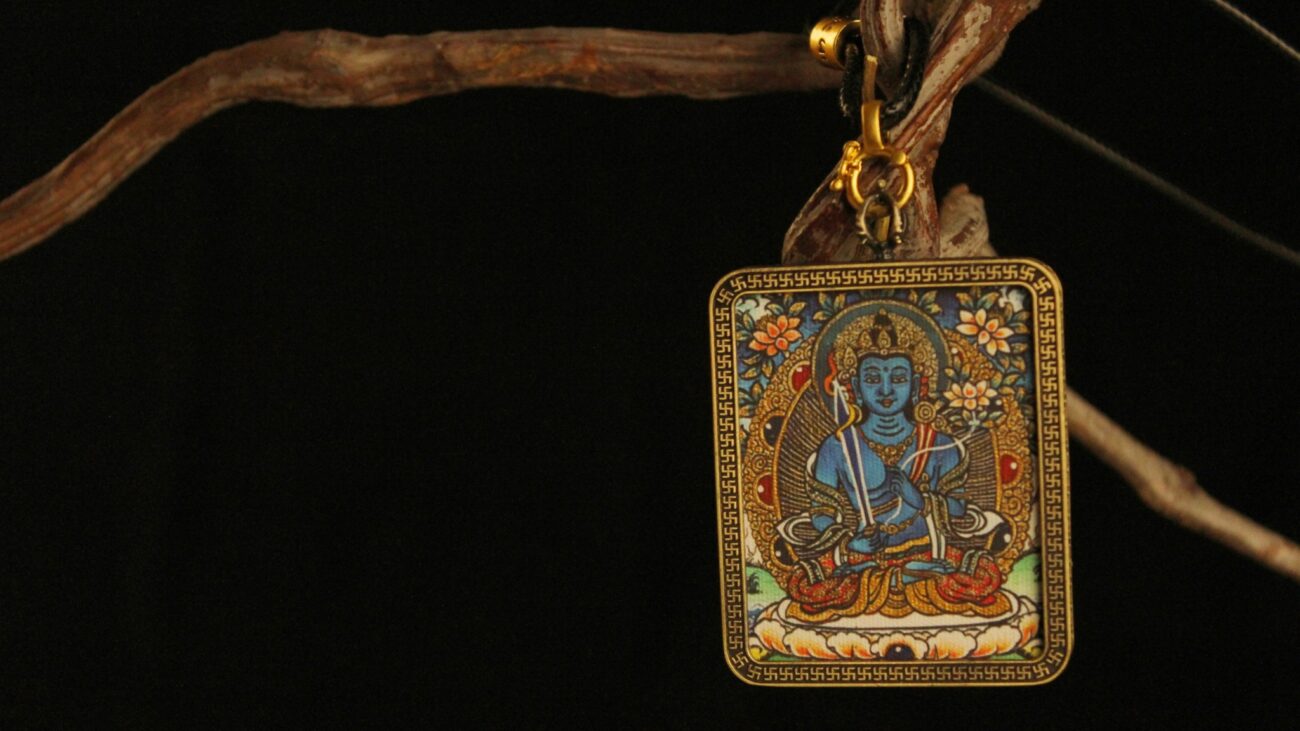
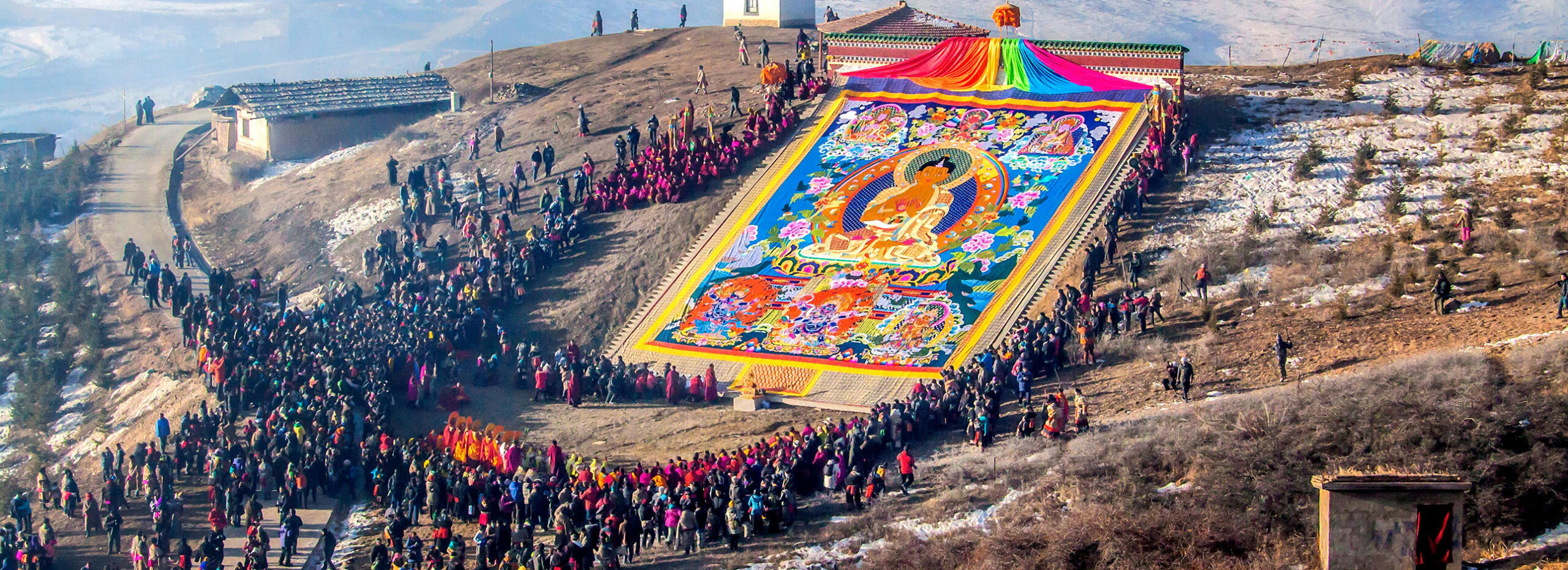
When a centuries-old Thangka is unfurled, its undimmed blues, radiant golds, vibrant reds, and verdant greens evoke a sense of wonder—time itself seems to pause before these hues. The secret to this miracle lies not only in masterful artistry but in a spiritual science of engaging with the earth: pigments sourced entirely from nature.
Color: Both Substance and Symbol
In the cosmos of Thangka, each color carries a dual identity: it is both a physical substance from the earth’s depths and a philosophical symbol of the spiritual realm. This duality forms the unique visual and spiritual language of Thangka painting.
The Five Sacred Colors: Decoding Thangka’s Chromatic Philosophy
1. Gold (made from genuine gold leaf)
- Source: Pure gold is hand-beaten into leaf and meticulously ground into powder.
- Spiritual Symbolism: Represents the eternal, immutable, and indestructible nature of Buddhahood.
- Application: Used for halos, sacred implements, and decorative details, infusing the painting with divine light.
2. Blue (from Lapis Lazuli or Azurite)
- Source: Precious Lapis Lazuli (from Afghanistan) or Azurite, ground to a deep, cosmic blue.
- Spiritual Symbolism: Symbolizes transcendent wisdom (Prajna) and the truth of emptiness (Shunyata), beyond time and space.
- Philosophical Depth: Like the sky in its vastness and the deep sea in its mystery, it points toward infinite mental space.
3. Red (from Cinnabar or Cochineal)
- Source: The vivid red of cinnabar ore or warm reds extracted from high-altitude plants or cochineal insects.
- Spiritual Symbolism: Represents potent life force, the energy of spiritual practice, and the warmth of compassion.
- Emotional Dimension: A direct visual manifestation of the Bodhisattva’s heart that “cannot bear the suffering of sentient beings.”
4. White (from Pearl Powder or Chalk)
- Source: Finely ground pearl powder or pure white chalk.
- Spiritual Symbolism: Symbolizes absolute mental purity, inner peace, and the potential for awakening.
- Spiritual Direction: Cool and calming like moonlight, representing the state of purity after the cessation of afflictions.
5. Green (from Turquoise or Malachite)
- Source: The sky-blue green of turquoise or the veined green of malachite.
- Spiritual Symbolism: Represents the enlightened activity of the Buddhas and powerful healing energy.
- Philosophy of Action: Symbolizes the Dharma’s active, positive force in the world to alleviate suffering.
Creation: A Meditative Journey from Stone to Sacred Hue
The preparation of Thangka pigments is itself an art and spiritual practice of transformation:
- Material Selection: Artists personally identify the purity and color saturation of the minerals, initiating a connection with the earth.
- Grinding: Hand-grinding in a stone mortar for days or even weeks—each circular motion is an act of focused meditation—until the powder achieves ultimate fineness.
- Mixing: Suspending the mineral powder in a special glue solution (traditionally made from yak bone or leather). Each adjustment is a meticulous prayer; the ratio of glue to pigment determines the color’s longevity and luster.
- Settling: Through layered sedimentation, the finest particles are extracted while coarse grains are discarded, paralleling the spiritual refinement of discarding the coarse for the subtle.
The Spiritual Science: Why Natural Mineral Pigments Are Irreplaceable
- Physical Stability: The stable molecular structure of minerals offers unparalleled resistance to light and oxidation compared to chemical pigments.
- Light Effect: The refraction and reflection of light by mineral micro-crystals create a unique “inner luminescence,” making the painting appear self-illuminating.
- Energetic Heritage: In Tibetan cultural belief, minerals from mountains and rivers carry the earth’s energetic memory, making the Thangka a vessel for the energy bridging heaven and earth.
Contemporary Insight: Ancient Wisdom Resonates with Modern Ecology
In an age saturated with synthetic pigments, the Thangka pigment tradition offers profound insights:
- Sustainability: Wholly sourced from and able to return to nature.
- The Value of Slow Craft: A counterpoint to industrial, fast culture, reaffirming the dignity of handwork and time.
- The Spirituality of Matter: Reawakens our reverence and gratitude for the material world—all matter can be sacred.
Conclusion: Colored Dust that Bridges Heaven and Earth
The Thangka artist is an alchemist and a bridge-builder. They awaken minerals slumbering deep within mountains and, through devout craftsmanship and focused intention, transform these substances from the earth’s core into a spiritual bridge connecting the mundane and the divine.
When you gaze upon the lapis lazuli blue on a Thangka that has remained vivid for three hundred years, you see more than a color. You witness an ancient wisdom that sublimates matter into spirit, a profound collaboration between human hands and the heart of the earth, and a sacred path paved with the humblest of dust, rendered in glorious color.