

The Symbolic Meaning of Crystals in Different Cultures
1. Understanding Crystal Symbolism
1.1 Why Crystals Carry Symbolic Meaning
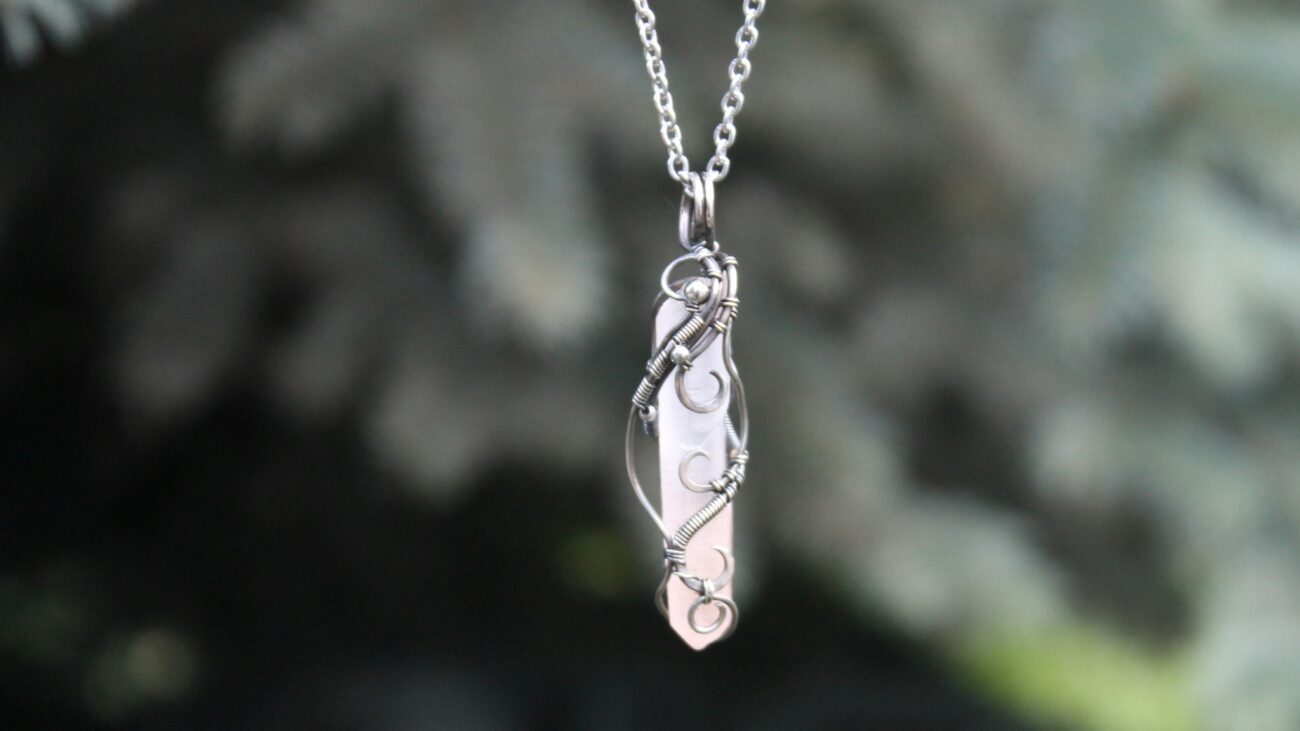
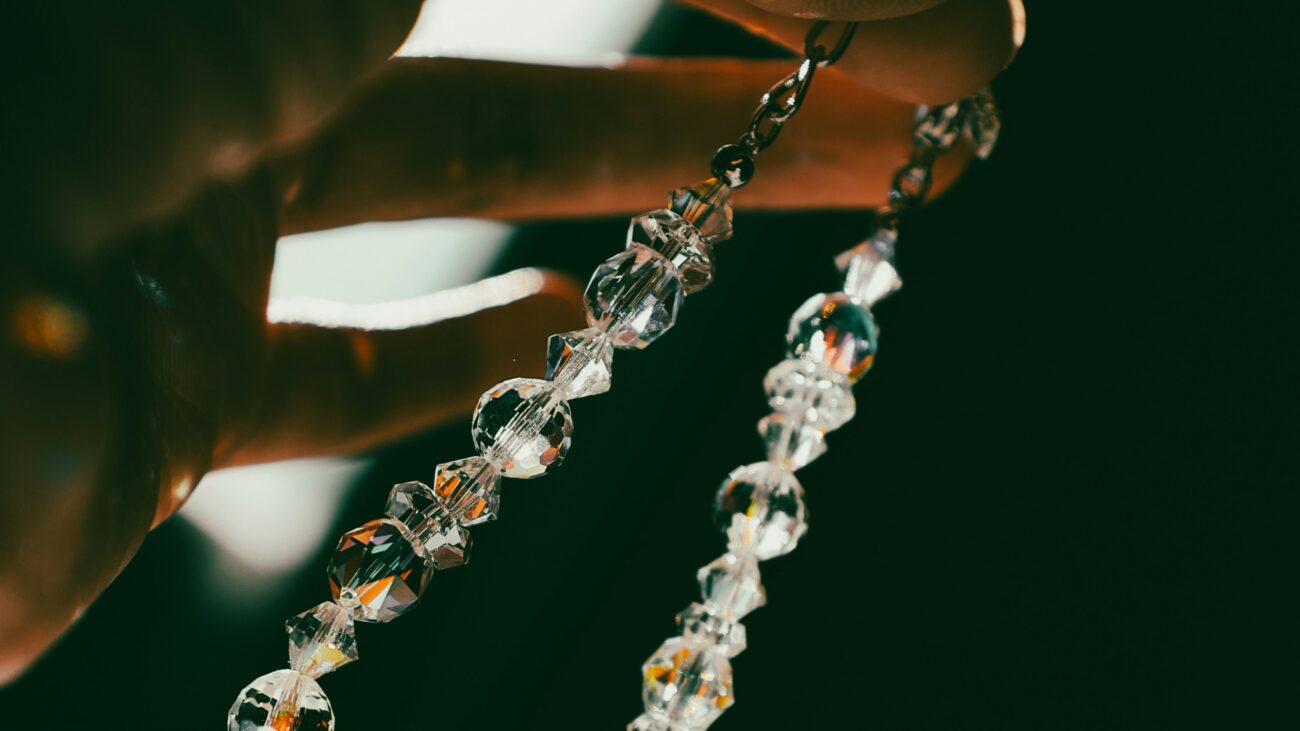
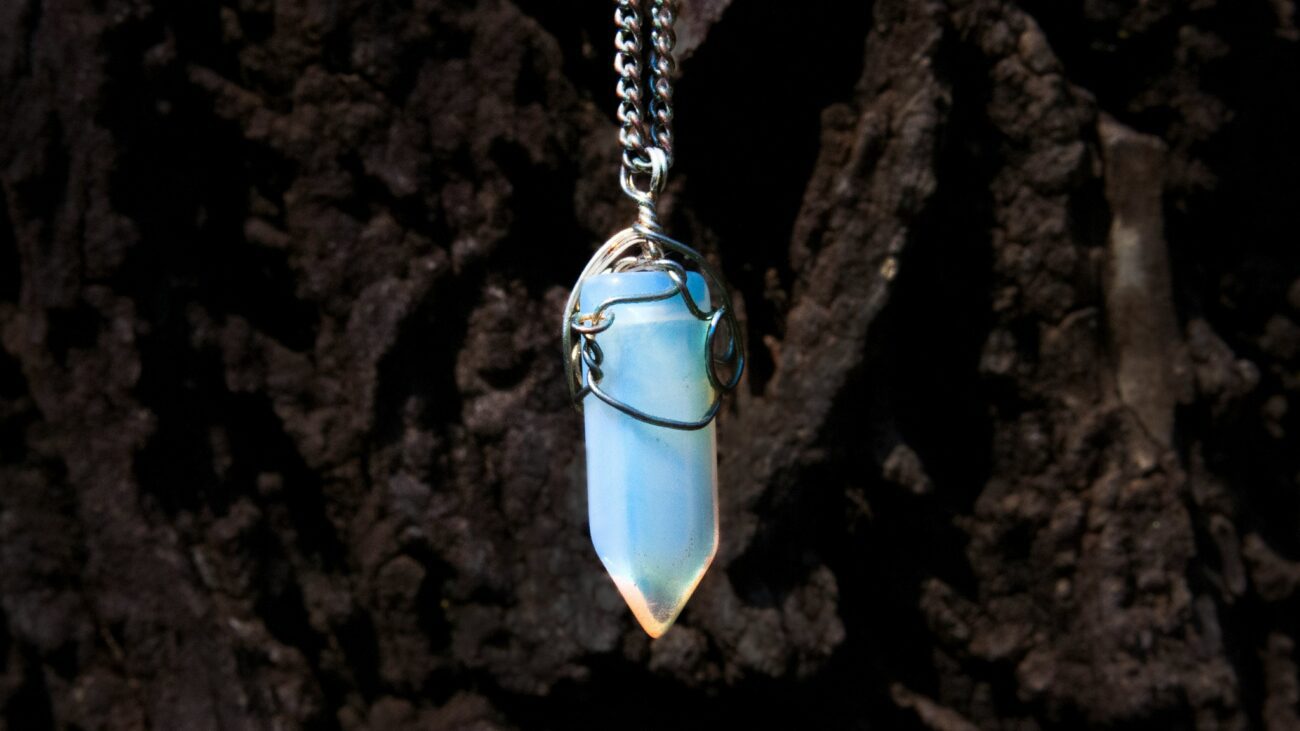
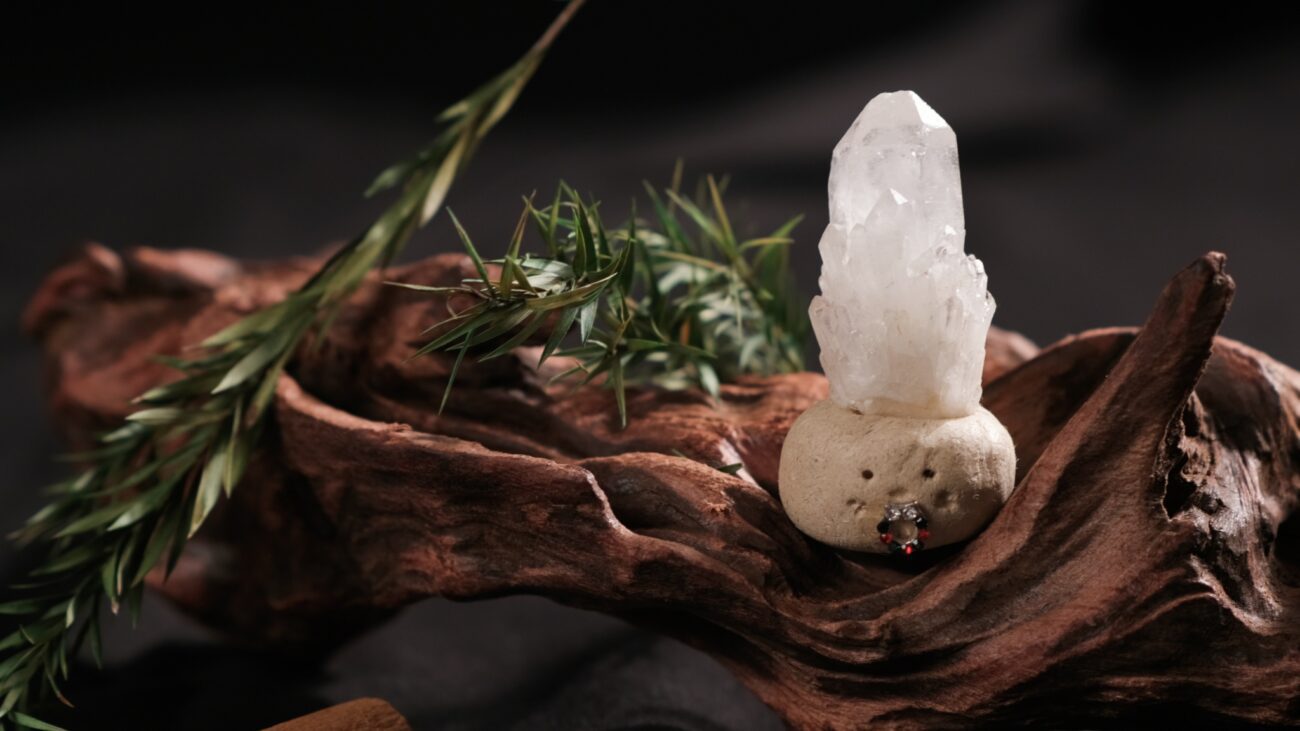
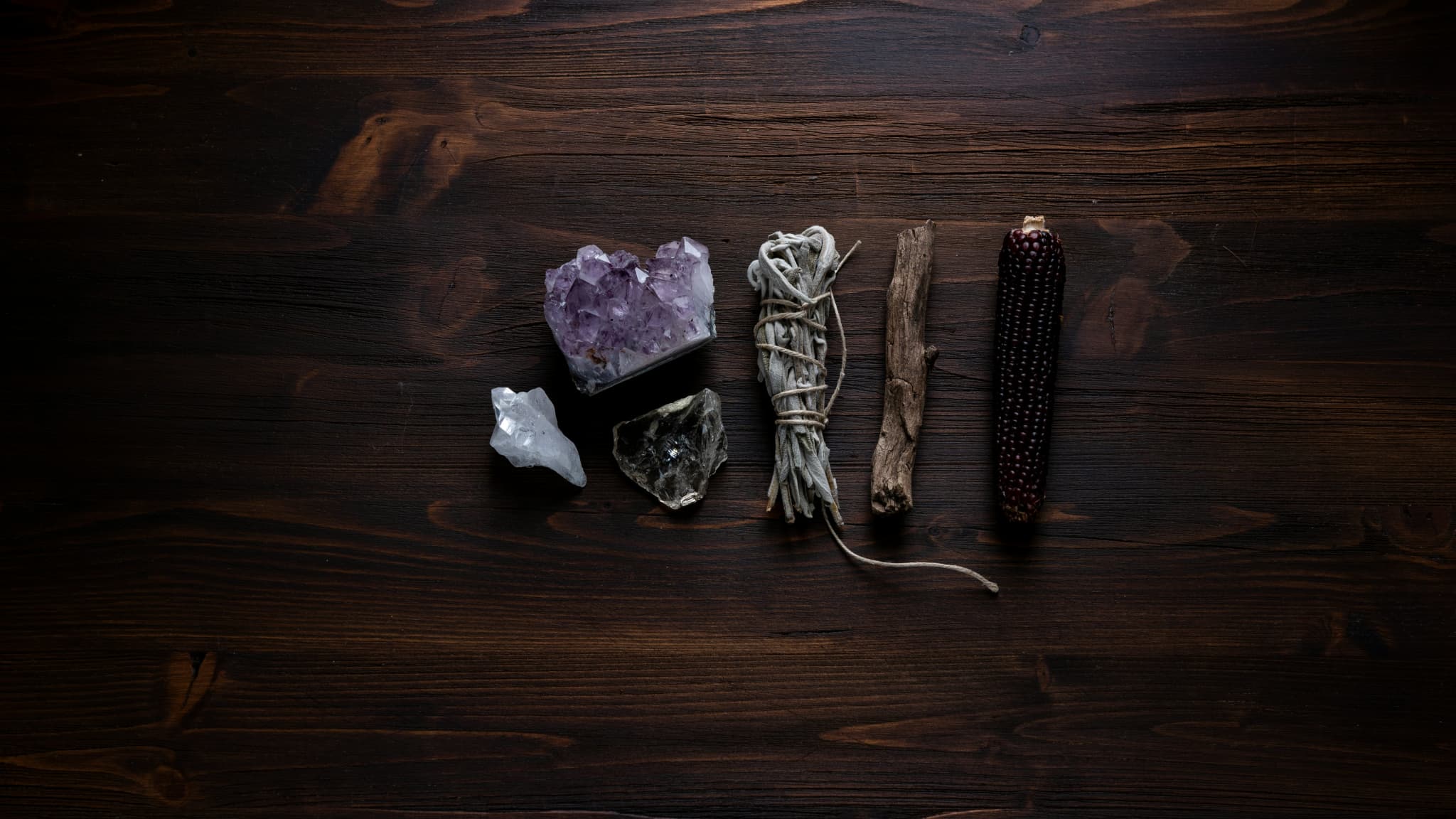
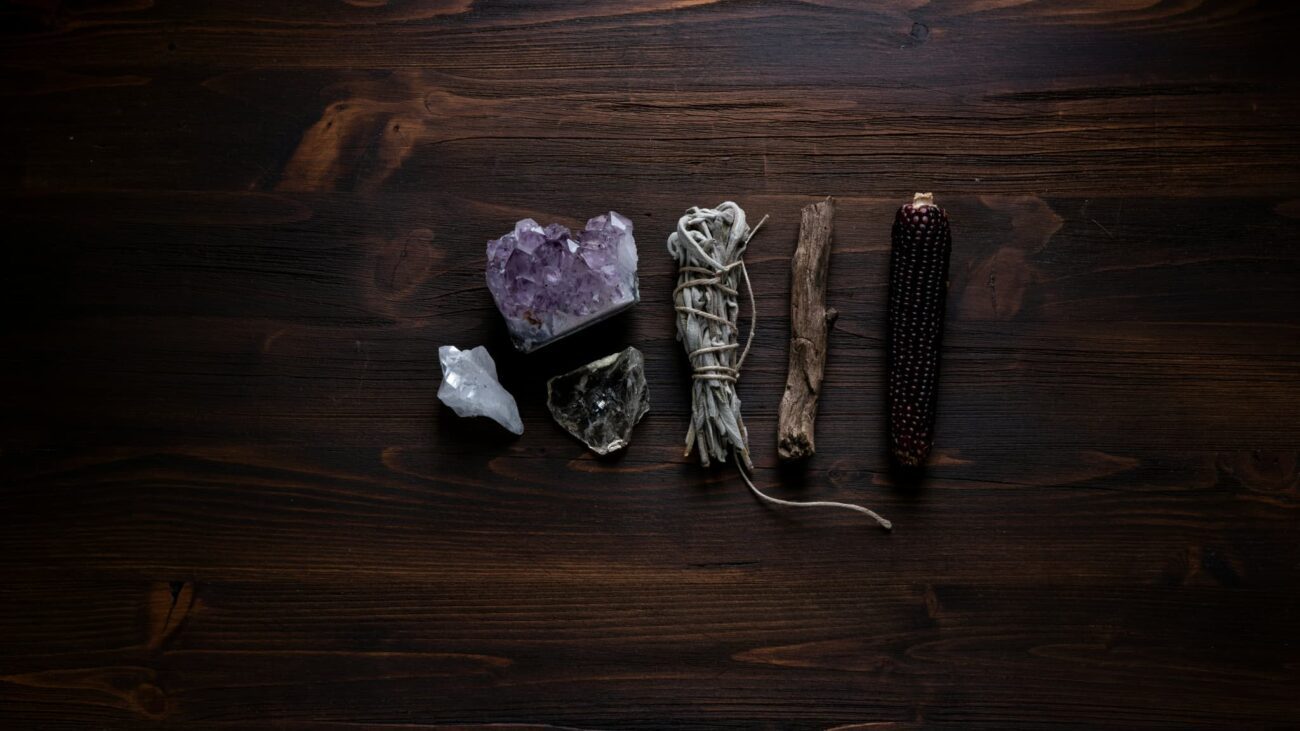
Crystal symbolism is rooted in how humans relate material form to inner experience. Across cultures, crystals have been valued not for force, but for clarity, permanence, and refinement. Their presence often represents intention, memory, and orientation rather than action.
1.2 Cultural Crystal Meaning Beyond Belief
Cultural crystal meaning does not rely on uniform interpretation. Instead, it reflects how different societies integrate natural materials into symbolic systems that express balance, continuity, and awareness.
2. Crystals Within Cultural Symbol Systems
2.1 Asian Mythology and Symbolic Materials
In Asian Mythology and Symbolism, materials are rarely isolated from imagery. Crystals often appear alongside symbolic animals such as the deer—associated with gentleness and attentiveness through deer symbolism—and the crane, a figure linked to calm longevity through crane symbolism. These combinations emphasize harmony rather than power.
2.2 Art as a Symbolic Framework
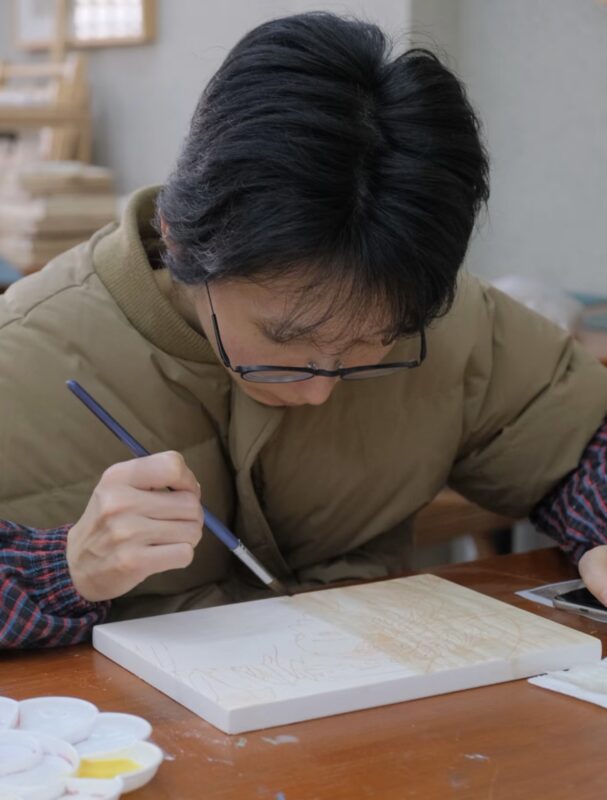
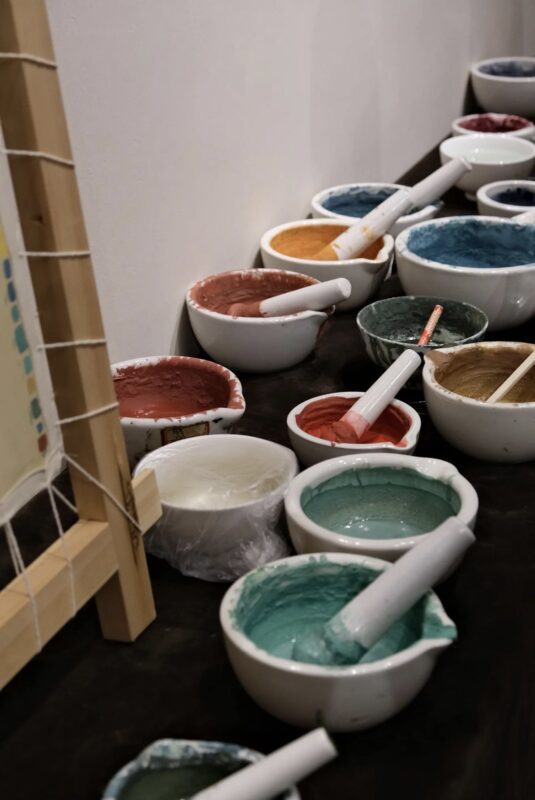
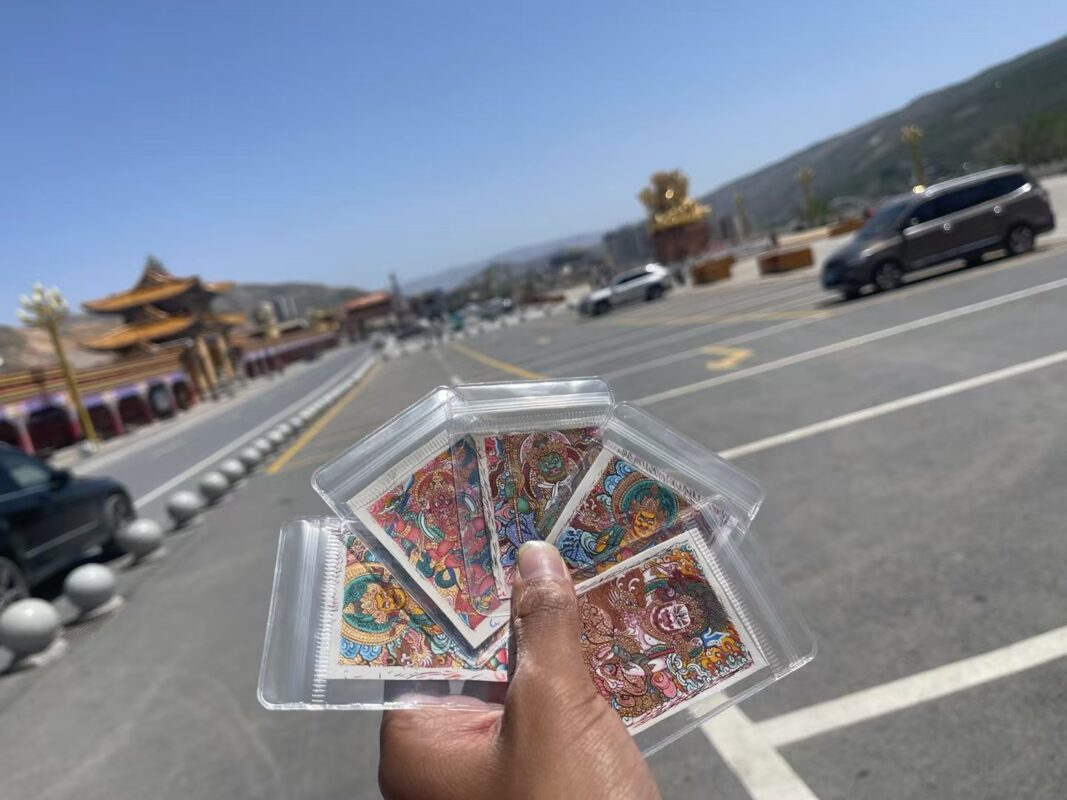
Traditional art forms such as Tibetan artwork and Buddhist paintings, including thangka painting, rely on structured symbolism. Crystals, when placed within or alongside these visual systems, reinforce themes of clarity, order, and contemplative presence.
3. Crystals as Cultural Objects Today
3.1 Meaning Shaped by Context
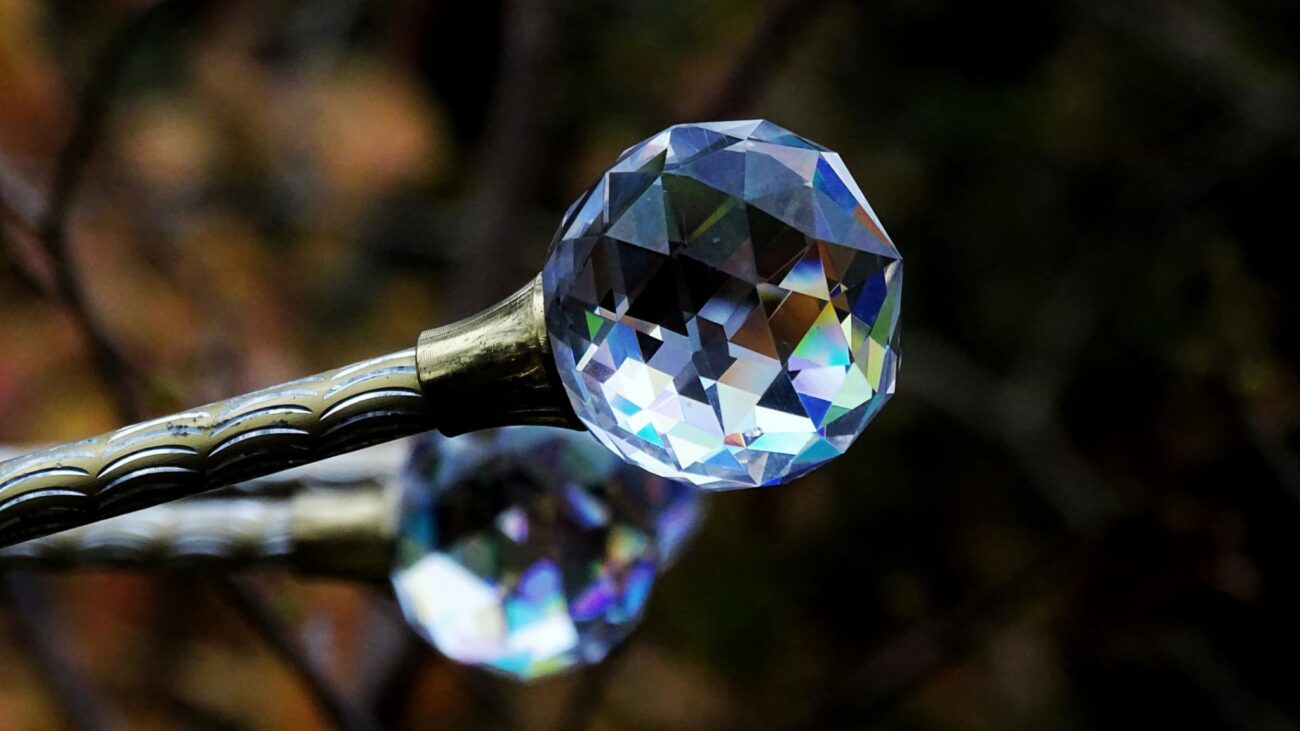
In contemporary settings, crystals continue to function as cultural objects rather than universal symbols. Their meaning is shaped by context—personal, aesthetic, and cultural—rather than fixed definitions.
3.2 Symbolism as Reflection, Not Instruction
Crystals do not instruct behavior. Instead, they reflect values already present, offering a quiet reference point within modern life.