

The air in a true master’s studio is heavy with intention. It carries the faint, earthy scent of ground malachite and lapis, the sharp aroma of hide glue, and the subtle perfume of juniper incense burned as an offering. This is the sensory world that gives birth to authentic Tibetan artwork, a world impossible to replicate with a printer’s ink or a digital file. You are here because you seek more than just an image; you seek a presence. You are searching for an artifact that holds a vibration, a piece of art that serves not merely as decoration, but as a portal to the sacred, a tangible connection to a lineage of wisdom that stretches back for centuries.
Your search is a noble one, but it is navigated through a landscape fraught with illusion. The modern market is flooded with reproductions—soulless echoes of sacred designs, mass-produced for a consumer culture that often prioritizes speed over spirit. This creates a deep-seated fear in the discerning collector: the fear of being misled, of investing your resources and your hope into an object that is spiritually inert. The hope, however, is far more powerful. It is the hope of discovering a genuine article, a thangka or statue imbued with the artist’s meditative focus, crafted with materials drawn from the earth, and consecrated to become a living vessel of enlightened energy. This guide is your map through that landscape, a definitive resource to distinguish the divine from the digital, and to empower you to become not just a collector, but a custodian of sacred heritage.
What You Will Learn:
This guide provides a comprehensive framework for understanding and identifying authentic Tibetan artwork. You will learn the crucial differences between master-quality craft and mass-market imitations, a five-point checklist for verifying authenticity, the sacred rituals behind the Tanfog creation process, and how to integrate these powerful objects into your life as both a spiritual tool and a legacy investment.
The Authenticity Gap: Distinguishing Aura from Algorithm
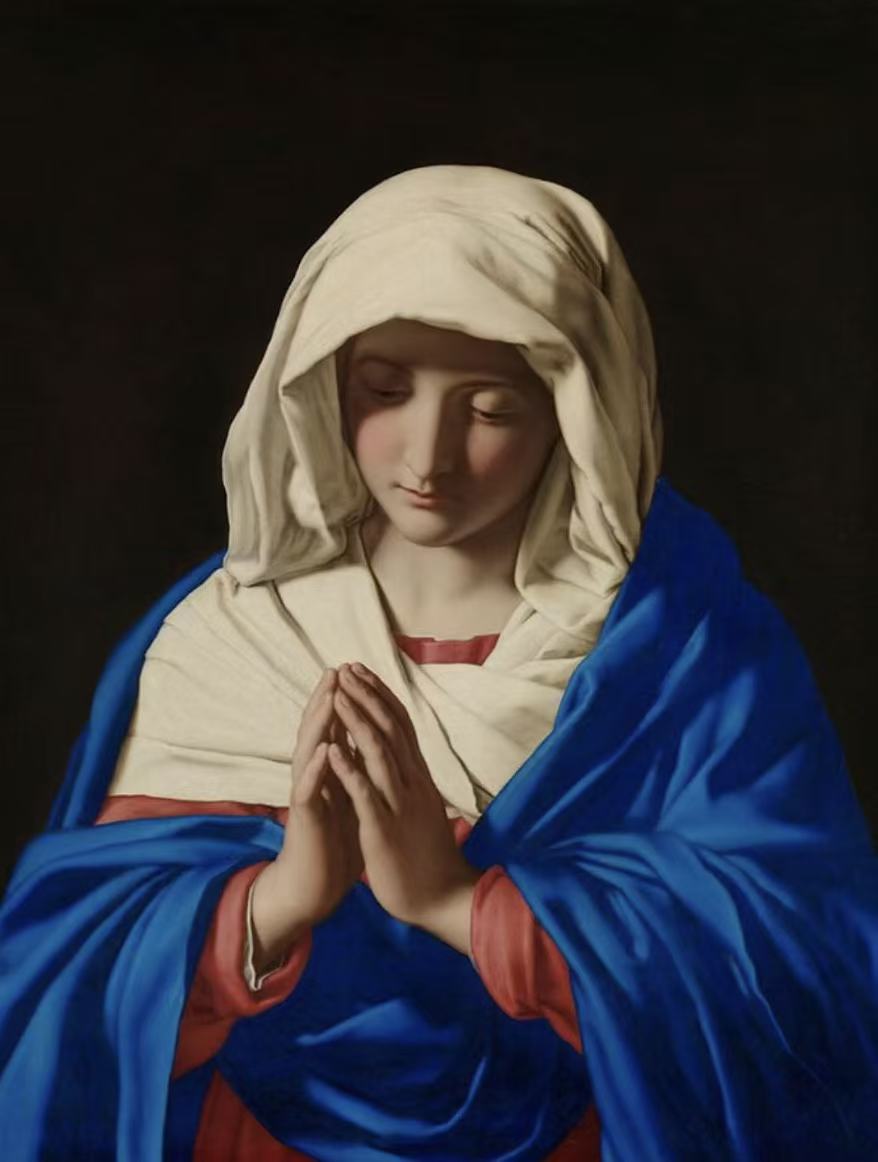
At first glance, a high-resolution print and a hand-painted thangka can appear similar to the untrained eye. Both may depict the same deity, follow the same iconographic structure, and share a similar color palette. Yet, to stand before each is to experience two entirely different realities. One is a silent picture on a wall; the other is a vibrant presence that seems to breathe, emanating a palpable energy that quiets the mind and opens the heart. The difference lies not in the subject, but in the substance and the soul infused within it.
The Vibrancy of Mineral Gouache vs. Flatness of Inkjet
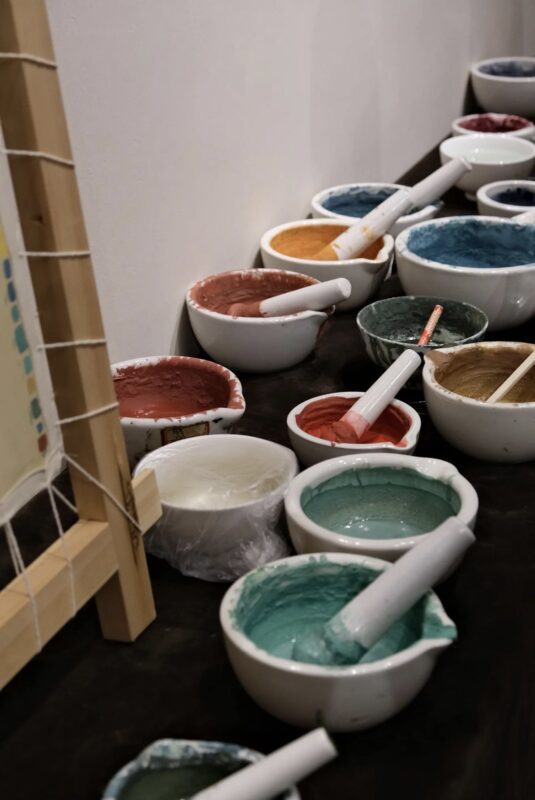
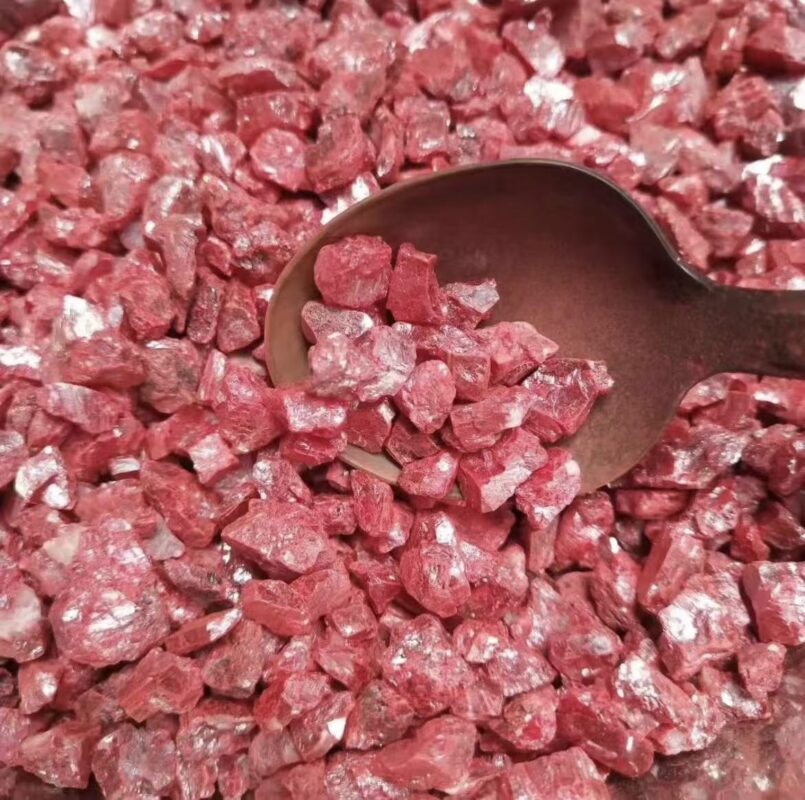
Authentic Tibetan artwork is painted with mineral gouache, a medium made from finely ground stones and organic matter. Lapis lazuli for deep blues, cinnabar for potent reds, malachite for vibrant greens—these are not just colors, but elements of the earth itself. When mixed with a hide-glue binder and applied to canvas, they create a surface that has depth, a subtle crystalline structure that catches and refracts light with a living luminosity. An inkjet print, by contrast, applies a thin, uniform layer of synthetic ink. The result is a visual flatness, a deadened surface that absorbs light rather than interacting with it. The print offers a perfect, sterile reproduction of an image, while the gouache painting offers an imperfectly beautiful, living embodiment of a divine principle.
Hand-Ground Pigments: Texture You Can Almost Feel
The process of grinding pigments by hand on a stone slate is a meditative act in itself. It is a slow, laborious ritual that connects the artist directly to their materials. This process results in pigment particles that are not perfectly uniform, creating a micro-texture on the canvas. When you observe a genuine thangka up close, you can perceive this subtle grain, a testament to its handmade origins. This texture gives the artwork a tactile quality, a richness that invites closer inspection. A digital print is fundamentally textureless. It is a smooth, pixelated grid, an algorithmic approximation of color that, under magnification, reveals its artificial nature. It lacks the earthy, granular integrity that grounds a traditional painting in the physical world.
Intention in Every Brushstroke: The Artist’s Meditation
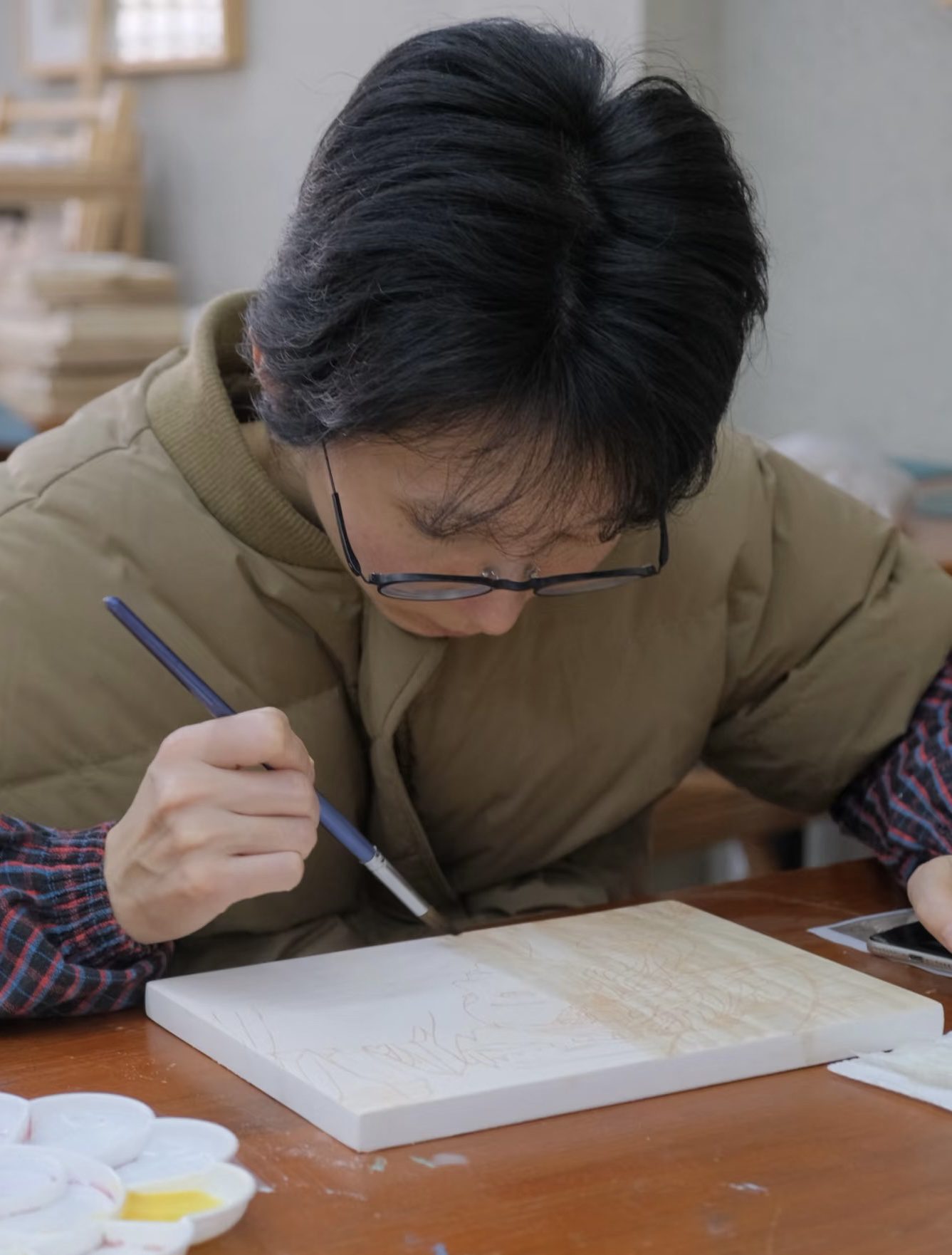
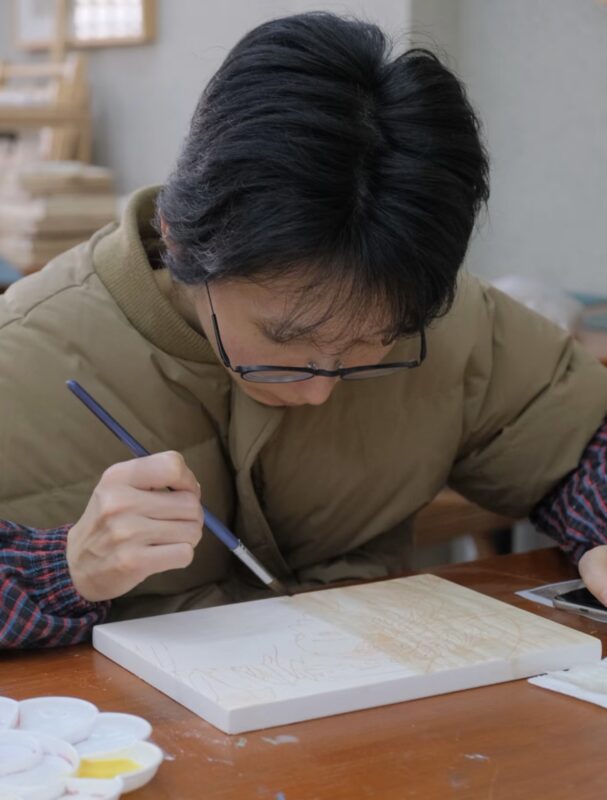
The most profound difference is one that cannot be measured by instruments but is immediately felt by the spirit. A master thangka painter is not merely an artist; they are a spiritual practitioner. The creation of a thangka is a deep meditation. Every line is drawn with controlled breath, often while reciting the mantra of the deity being depicted. This sustained focus, this continuous prayer, infuses the artwork with a powerful spiritual charge. Each brushstroke is a deposit of intention. A machine, guided by code, cannot replicate this. A print is an instantaneous, mechanical act devoid of consciousness. It is a hollow vessel, an empty form, whereas a hand-painted thangka is a vessel filled with thousands of moments of pure, focused, meditative intention.
A Connoisseur’s Checklist: 5 Pillars of Authentic Tibetan Artwork
Navigating the market for authentic Tibetan artwork requires a discerning eye and a foundational knowledge of what to look for. Use this checklist as your guide to separate masterworks of genuine lineage from the deceptive allure of commercial reproductions. Each pillar represents a critical aspect of quality, from spiritual expression to material integrity, empowering you to make a confident and informed acquisition.
1. Facial Serenity & Iconometric Proportions
The face of a deity, known as the ‘chi’ in Tibetan, is the most crucial and difficult element to master. It must convey a profound sense of inner peace, compassion, or wrathful energy, depending on the deity, without devolving into caricature. This is achieved through subtle, precise brushwork and strict adherence to sacred iconometric grids that dictate the proportions of every feature.
What to Look For: The eyes should be full of life and expression, drawn with single, confident strokes. The face should feel balanced and serene, emanating a palpable presence. The proportions of the body, limbs, and ornamentation should be harmonious and consistent.
Red Flag: Flat, cartoonish, or lifeless eyes. Smudged or hesitant facial lines. Awkward or disproportionate body parts that indicate the artist was not trained in the sacred grids or was rushing the process.
2. The Depth and Luminosity of Mineral Pigments
As discussed, the pigments are the lifeblood of the thangka. True mineral colors have a unique depth and a subtle, gem-like sheen that synthetic paints or inks cannot mimic. The colors should feel rich and organic, not artificially bright or uniform.
What to Look For: Observe the painting in natural light. Look for a subtle, non-uniform texture and a deep, resonant color field. The blue should feel like lapis, the green like malachite. The colors will appear to shift slightly as the viewing angle changes, revealing their crystalline nature.
Red Flag: Colors that are perfectly flat, overly glossy, or have a synthetic, chemical brightness. A surface that looks like a photograph or poster upon close inspection is almost certainly a print. Scrape a tiny, inconspicuous corner with a fingernail; a print’s ink layer may flake off, while gouache is more integrated with the canvas.
3. Precision in the Goldwork: 24k Gold vs. Gold-Colored Paint
Gold in Tibetan artwork represents divine light and enlightened consciousness. It is applied as a mixture of pure 24k gold dust and hide glue. Masterful goldwork involves laying down fine, consistent lines and then burnishing them with a jewel-tipped tool to create a brilliant, reflective sheen.
What to Look For: Real gold lines will be slightly raised from the canvas surface. When burnished, they will gleam with the unmistakable luster of pure gold. The linework should be incredibly fine, steady, and precise, especially in details like fabric patterns or halos.
Red Flag: Dull, yellowish, or brassy-looking ‘gold’ is likely gold-colored paint. This paint lies flat on the canvas and has a uniform, glittery, or metallic-paint look rather than a true burnished sheen. Uneven, thick, or clumsy gold lines indicate inferior craftsmanship.
4. The Lineage Signature: Consistency in Vajrayana Aesthetics
Every school and region of Tibetan art has a distinct stylistic lineage. While individual masters have their unique touch, their work will always be consistent with the established aesthetic and iconographic rules of their tradition (e.g., Karma Gadri, Menri, Newar). This consistency is a hallmark of rigorous, multi-year training.
What to Look For: A cohesive style throughout the piece. The rendering of clouds, rocks, flowers, and figures should follow a recognizable artistic tradition. The iconography must be correct—deities holding the right implements, in the correct postures, with the right attendants.
Red Flag: A chaotic mix of different artistic styles in one painting. Incorrect or sloppily rendered iconographic details. These errors betray a lack of formal training and a superficial understanding of the sacred designs.
5. Canvas & Mounting: Traditional Brocade and Material Integrity
The physical foundation of the artwork is as important as the painting itself. A genuine thangka is painted on a specially prepared cotton or silk canvas (gado), which is then stitched into a beautiful silk brocade frame. This frame is not merely decorative; it protects the painting and is an integral part of its sacred nature.
What to Look For: A sturdy, hand-prepared canvas that feels substantial. The brocade should be high-quality silk, with traditional colors and patterns that complement the painting. The stitching should be neat and strong. The artwork will typically include a thin silk veil (zhal-kheb) to protect the painted surface.
Red Flag: Painting on cheap, thin canvas or, worse, paper. Low-quality, synthetic brocade that frays easily. Sloppy machine stitching or the use of glue to attach the painting to the frame. The absence of a protective silk veil can also be a sign of a non-traditional, commercial product.
| Criterion | Tanfog Masterworks | Commercial Imitations |
|---|---|---|
| Pigments | Hand-ground mineral and botanical sources (lapis, malachite). Possesses a deep, living luminosity and subtle texture. | Synthetic acrylics or inkjet printer ink. Visually flat, uniform, and lacking in depth or natural vibrancy. |
| Lineage | Crafted by artists from authenticated lineages, following strict iconometric and stylistic rules passed down for generations. | Produced by anonymous workers with no formal training in sacred art. Often mixes styles or contains iconographic errors. |
| Goldwork | Genuine, finely ground 24k gold, meticulously applied and burnished to a brilliant, jewel-like sheen. Slightly raised texture. | Gold-colored metallic paint or foil. Dull, brassy appearance, lies flat on the surface, and lacks the luster of real gold. |
| Spiritual Resonance | Each piece is a meditative creation, infused with mantras and intention. It carries a palpable sacred energy or ‘presence’. | Mass-produced mechanically or in assembly-line fashion. Spiritually inert, functioning only as a decorative image. |
Behind the Veil: The Tanfog Lineage-Based Artistry
To understand the value of a Tanfog piece is to understand that we are not simply a gallery; we are the direct stewards of a sacred artistic tradition. Our process is not a production line but a ritual, a careful and reverent practice that honors the materials, the artists, and the divine subjects they depict. We bridge the gap between the ancient Himalayan workshops and the modern spiritual seeker, ensuring that every piece that bears our name is a conduit of undiluted authenticity and spiritual power.
Sourcing the Divine: From Lapis Lazuli to Pure Gold
Our commitment to authenticity begins with the earth itself. We ethically source our mineral pigments from their traditional locations, acquiring high-grade lapis lazuli from the Badakhshan mountains and vibrant cinnabar through trusted, multi-generational suppliers. Our gold is certified 24-karat, painstakingly ground into the finest powder for our master painters. This devotion to pure, traditional materials is non-negotiable. It ensures that the finished artwork possesses the same vibrational integrity and material permanence as the masterpieces that have graced monasteries for a millennium.
The Ritual of Creation: Consecration and Mantra
The creation of a Tanfog thangka is a sacred ceremony. Before the first brushstroke, the canvas is blessed. As the artist works, they engage in a continuous state of meditation and mantra recitation, channeling their focused devotion directly into the artwork. This is the unseen element, the spiritual alchemy that transforms mere pigment and cloth into a sacred object. Upon completion, each piece undergoes a traditional consecration ritual (rabné), performed by a qualified lama. This ceremony ‘opens the eyes’ of the deity, formally inviting the enlightened consciousness to reside within the image, activating it as a powerful tool for meditation and blessing.
Our Master Artisans: A Heritage Passed Through Generations
Tanfog’s artists are not freelance talents; they are masters from verified artistic lineages who have undergone years, often decades, of rigorous apprenticeship. This training involves more than just technical skill; it is a deep immersion in Buddhist philosophy, iconography, and meditative practice. They learn the sacred iconometric grids not as a formula, but as a living language of divine form. By supporting these masters, we do more than create beautiful art; we actively participate in the preservation of an invaluable and endangered cultural heritage, ensuring this profound wisdom is passed to the next generation.
Harmonizing Your Space: Integrating Sacred Art into a Modern Lifestyle
Acquiring a piece of authentic Tibetan artwork is the beginning of a relationship. These objects are not meant to be sterilely displayed in a gallery setting but integrated into your life as sources of inspiration, peace, and mindfulness. By thoughtfully placing them in your home and personal practice, you can transform your environment into a sanctuary that supports your spiritual journey and elevates your daily experience.
The Thangka as a Meditative Focal Point
A thangka is the ultimate focal point for a meditation space. Hang the artwork at eye level in a clean, quiet, and respectful area of your home. It should be a place where you can sit comfortably before it without frequent interruption. The deity depicted becomes a mirror for your own inner potential for enlightenment, compassion, or wisdom. Gazing at the intricate details of the mandala or the serene face of a Buddha can quiet the discursive mind, allowing you to drop more easily into a state of meditative absorption. It serves as a constant, beautiful reminder of your highest intentions.
Sacred Geometry in Jewelry: Wearing Your Intention
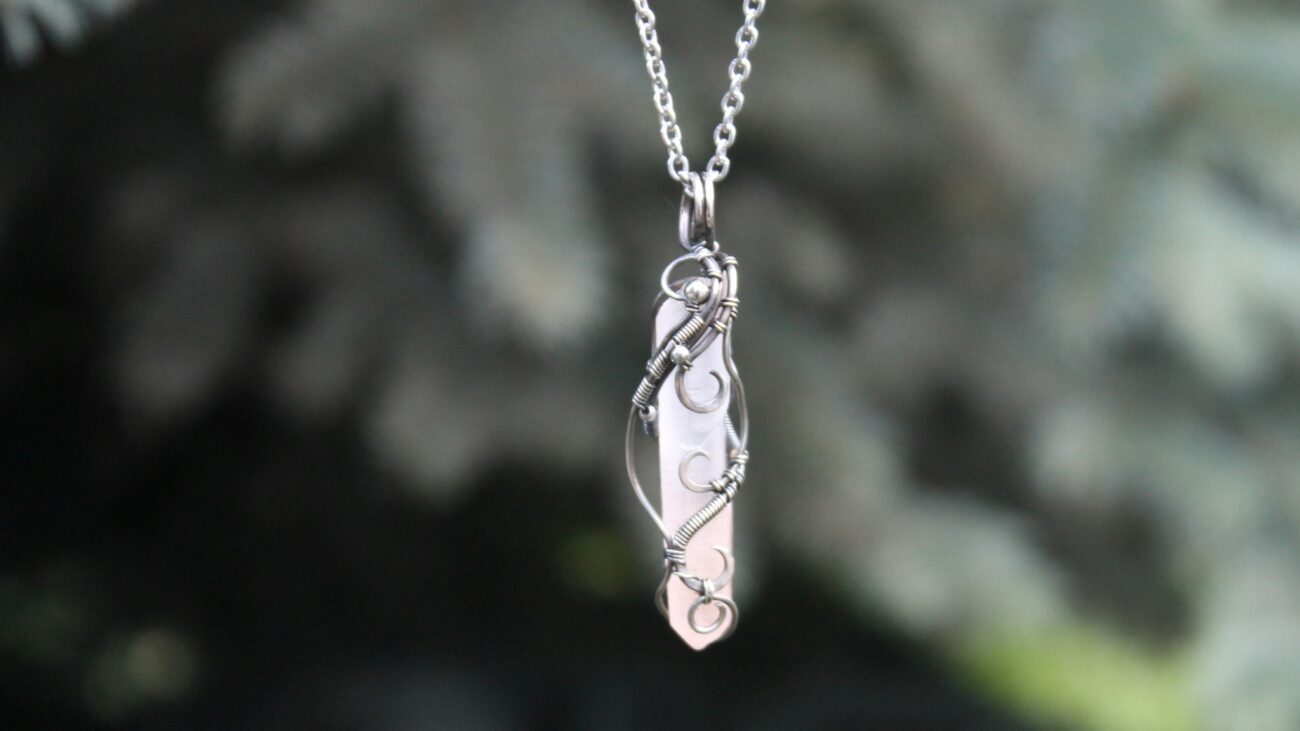
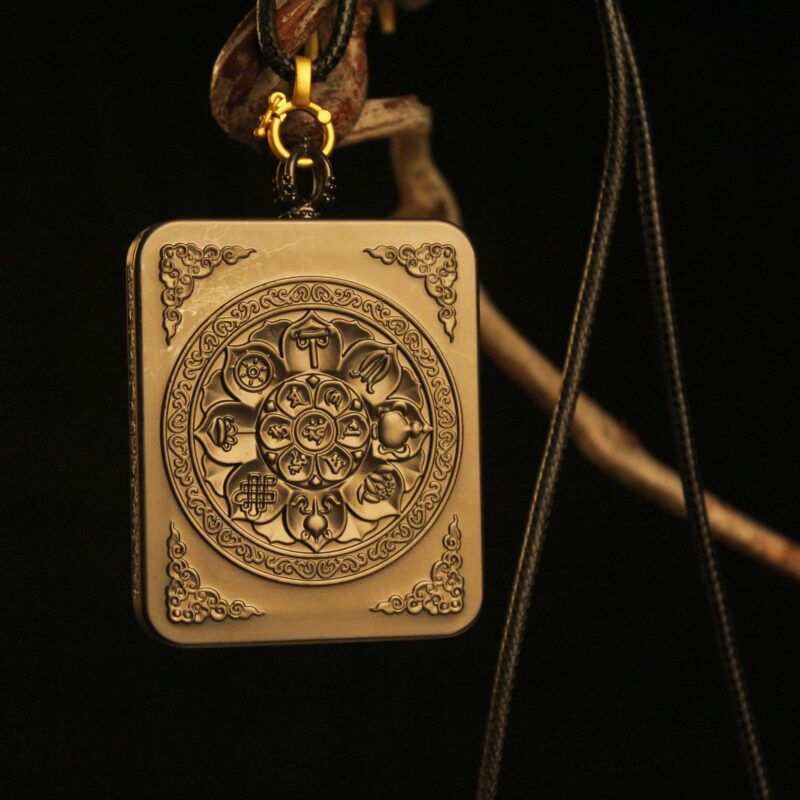
Sacred art is not limited to walls. Tanfog’s collection of ritual jewelry, such as pendants featuring the Kalachakra symbol or rings engraved with sacred mantras, allows you to carry this divine energy with you. Wearing a piece of sacred geometry or a deity’s symbol is a powerful way to maintain a continuous connection to your spiritual path throughout the day. It acts as a personal talisman, a subtle anchor that can bring you back to your center during moments of stress or distraction. It transforms a beautiful accessory into a meaningful tool for personal mindfulness.
Placement and Energy Flow for a High-Vibrational Home
Beyond a dedicated meditation corner, sacred art can elevate the energy of your entire home. Following principles similar to Feng Shui or Vastu, the placement of these objects matters. Position a statue of a wrathful protector deity facing the entrance to your home to dispel negative energy. Place a depiction of Tara in a common area to invoke her blessings of compassion and protection for the family. Avoid hanging sacred art in mundane locations like bathrooms or placing it directly on the floor. Treating these pieces with reverence enhances their power and contributes to a home environment that feels clear, harmonious, and spiritually uplifting.

An Investment in Heritage: Why Authenticity Appreciates
Viewing a master-quality piece of Tibetan artwork solely through the lens of cost is to miss its most profound value. An authentic thangka or statue from a verified lineage is not a disposable decorative item; it is a multi-faceted asset. It is at once a powerful spiritual tool, a piece of tangible cultural history, and a tangible investment whose value is poised to appreciate over time. In a world increasingly dominated by fleeting digital content and mass-produced goods, the demand for true, handmade craftsmanship only grows.
Beyond Decoration: Acquiring a Piece of Cultural History
When you acquire a Tanfog masterwork, you are doing more than buying an object. You are becoming a custodian of a specific, unbroken line of human wisdom and artistic excellence. Each piece is a time capsule, containing the knowledge of mineral pigments, the precision of sacred geometry, and the devotional heart of a culture. You are participating in the active preservation of a tradition that is under threat. This act of patronage provides a livelihood for master artisans, enabling them to continue their practice and train the next generation, ensuring this precious heritage does not vanish.
The Tangible Value of Traditional Craftsmanship
From a purely material standpoint, the value of authentic Tibetan artwork is clear. The number of artists who possess the skill, training, and patience to create art at this level is diminishing. The traditional, high-grade materials like lapis lazuli and pure gold are becoming rarer and more expensive. As the supply of true masters dwindles and the cost of materials rises, the existing body of authentic work naturally appreciates in value. Unlike a print, which can be reproduced infinitely with no inherent worth, a hand-painted thangka is a unique, singular creation, a fact that the fine art and collectors’ markets increasingly recognize.
Creating a Legacy: An Heirloom for Future Generations
A genuine piece of sacred art is an investment that transcends financial returns. It is an investment in your own spiritual legacy and that of your family. A thangka hung in a home is a silent teacher, imparting lessons of beauty, devotion, and mindfulness to all who see it. It can become a cherished family heirloom, passed down through generations along with the stories of its meaning and acquisition. To bequeath such an object is to give a gift of profound and lasting significance—a connection to timeless wisdom and a beautiful, enduring symbol of a life lived with intention.
Frequently Asked Questions
1. How can I verify the 24k gold used in a Tanfog thangka?
Authentic 24k gold, when applied and burnished correctly, has an unmistakable luster that gold paint cannot replicate. In natural light, it will have a deep, warm gleam rather than a flat, brassy shine. The lines are also slightly raised, a texture you can sometimes feel gently with a fingertip. At Tanfog, we provide a certificate of authenticity with each piece, detailing the materials used, including the verification of 24k gold. For a definitive, non-invasive test, a jeweler can often verify the material’s authenticity through professional observation of its reflective properties.2. What is the ideal placement for a thangka for meditation?
The ideal placement is in a clean, quiet, and dedicated space where it will be treated with respect. Hang the thangka so that the center of the artwork is at your eye level when you are seated in your meditation posture. This facilitates a direct and comfortable gaze. Traditionally, a small altar is placed below it with offerings like a bowl of water, incense, or a candle, creating a powerful spiritual focal point. Avoid placing it in a location where people’s feet will point towards it or in a low, undignified position.3. What does the ‘consecration’ process actually involve and why is it important?
Consecration, or ‘rabné’ in Tibetan, is a ritual performed by a qualified lama or high-ranking monk to ‘awaken’ the artwork. The process involves chanting specific prayers and mantras, visualization practices, and often the symbolic anointing of the artwork. The back of the thangka is typically inscribed with the sacred syllables ‘Om Ah Hum’ corresponding to the deity’s body, speech, and mind. This ritual transforms the thangka from a beautiful painting into a living vessel of the deity’s enlightened energy, making it an effective support for spiritual practice rather than just a piece of art.4. How do I properly care for and clean my Tibetan artwork?
Sacred art should be handled with great care. The primary rule is to protect it from moisture, direct sunlight, and smoke or soot, which can damage the delicate mineral pigments over time. Never attempt to clean the painted surface with water or any cleaning solution. The traditional silk veil is meant to be kept over the painting when not in use. For light dusting, use a very soft, clean, and dry brush (like a makeup brush), gently whisking away dust from the brocade and the veil. Avoid touching the painted surface with your hands, as oils from your skin can cause damage.5. Can I commission a thangka of a specific deity that is important to my practice?
Yes, commissioning a thangka is a traditional and highly meritorious practice. At Tanfog, we facilitate commissions with our lineage masters. The process involves a consultation to understand your specific needs, the deity you wish to have depicted, and any particular stylistic preferences that align with traditional iconography. A commissioned piece is a profound personal connection to the art, as the artist will often hold your intention in their mind during the creation process, making the artwork uniquely attuned to your spiritual journey.
The Guardian of Sacred Art: A Final Invitation
To choose an authentic piece of Tibetan artwork is to answer a call. It is a decision to turn away from the ephemeral and embrace the eternal. It is an act of preserving a flame of human wisdom that has burned brightly for over a thousand years. More than a collector, you become a guardian—a steward of a sacred object and the profound lineage it represents. This art does not simply hang on a wall; it lives with you, infusing your space with a serenity and a presence that resonates on the deepest level of your being.
This is not about acquiring a luxury item. It is about making a conscious investment in your own spiritual environment and in the continuation of one of the world’s great contemplative art forms. We invite you to explore the Tanfog collection not as a customer browsing a catalog, but as a fellow seeker on a path of beauty and truth. Discover the piece that speaks to your soul, and in doing so, bring home not just an object of art, but a source of living blessing for years to come.
References:
Wikipedia https://en.wikipedia.org